 Granbo Ultrasonic










Ultrasonic Jewellery Cleaners: Are They Worth It?
Browse Volume:85 Classify:Support
Jewellery holds more than just material value. Whether it is a diamond engagement ring, a delicate gold necklace, or a family heirloom bracelet, these pieces represent memories, milestones, and identity. As they are worn, they accumulate a surprising amount of grime such as skin oils, dust, soap residue, and more, especially in intricate settings and hard-to-reach areas. Over time, this build-up dulls the brilliance that made your jewellery sparkle in the first place.
Many people turn to ultrasonic jewellery cleaners for a quick and effective solution. These compact devices promise professional-level cleaning at home, using only water, mild detergent, and sound waves. But are ultrasonic jewellery cleaners actually good? Do they really clean well, or do they risk damaging your valuable pieces?
The answer depends on what you’re cleaning, how you’re using the machine, and whether the item is structurally sound. To understand whether an ultrasonic cleaner is the right choice for your jewellery, it helps to look deeper at how the technology works, what it excels at, and when it should be avoided.
Why Jewellery Needs More Than Just Surface Cleaning
At a glance, a simple wipe with a polishing cloth may seem enough to keep jewellery clean. However, that only removes superficial smudges and fingerprints. The real grime resides in the small spaces that are difficult to reach with your fingers, such as the tiny gaps under prongs, behind gemstones, and within chain links.
Daily wear introduces oils from skin, lotions, dust particles, and soap residue, especially if you wear your jewellery while washing hands or applying cosmetics. These residues layer over time, forming a film that can make even high-end gemstones look cloudy or flat.
Diamond rings often lose their fire not because the stone has changed, but because residue has blocked light from reflecting correctly through the facets. The same is true for settings with multiple stones or antique pieces with detailed engravings. In these situations, surface-level cleaning methods fall short.
Professional jewellers use ultrasonic cleaners to target these problem areas, because the technology can penetrate where no brush or cloth can reach. But not all jewellery types respond the same way, and not every situation requires ultrasonic cleaning.
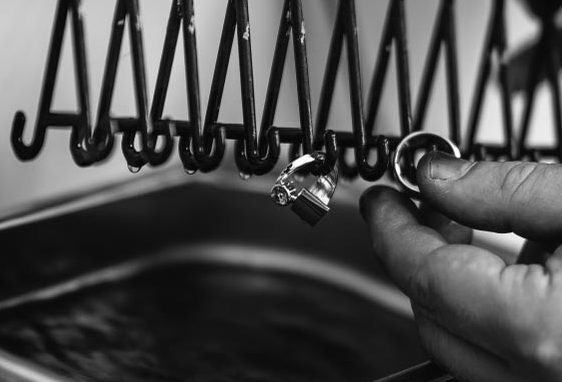
Jewelry Cleaning
How Ultrasonic Cleaning Technology Works
Ultrasonic cleaning is based on a process called cavitation. A cleaning tank is filled with water, often mixed with a mild detergent. When the machine is turned on, it emits high-frequency sound waves through the liquid. Jewellery ultrasonic cleaners typically operate within a frequency range of 40kHz to 80kHz, with 40kHz being the most commonly used setting.
As each bubble bursts, it creates a tiny shockwave. While invisible to the eye, this energy is strong enough to loosen dirt, grime, and oils from surfaces and crevices, even in extremely small areas like between gemstones or inside hinge joints.
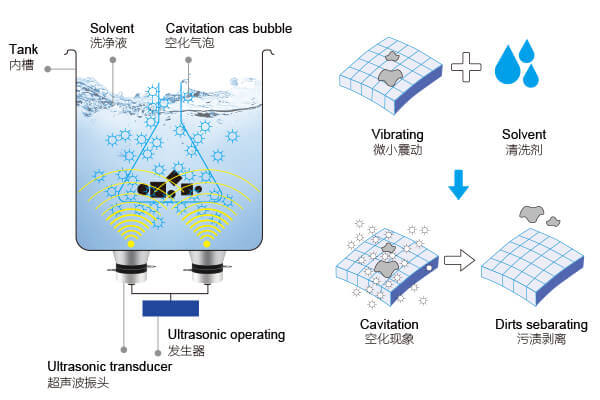
The Principle Behind Ultrasonic Cleaning
The beauty of ultrasonic cleaning lies in its non-contact power. There’s no scrubbing, no brushes, and no abrasion. The energy does all the work, making it ideal for cleaning intricate jewellery pieces with detailed designs, channel settings, or difficult-to-reach internal spaces.
This same feature, however, can be a drawback for jewellery that has loose settings or delicate components. The sound waves are strong and consistent, so if the piece isn’t built to handle that kind of micro-agitation, damage may occur.
Are Ultrasonic Jewellery Cleaners Good for All Types of Jewellery?
Ultrasonic cleaning works exceptionally well for many types of durable, high-quality jewellery, especially those made from solid metals and hard gemstones. If your collection includes items made of gold, platinum, stainless steel, or titanium, and set with diamonds, rubies, sapphires, or other similarly hard stones, ultrasonic cleaning is usually safe and effective.
However, not all materials are suitable for this type of cleaning. Jewellery with the following characteristics should not be placed in an ultrasonic cleaner:
- Soft or porous gemstones: pearls, opals, turquoise, emeralds, amber, and lapis lazuli are all too fragile. Their structure can be damaged or discoloured by cavitation.
- Organic materials: coral, ivory, and wood should never be ultrasonically cleaned.
- Heat-treated or coated stones: these may crack, peel, or degrade under ultrasonic vibration.
- Glue-mounted stones: costume jewellery and some vintage pieces rely on adhesives that can break down in warm water or vibration.
Even with appropriate materials, it’s crucial to check the integrity of the setting. If prongs are loose, if a gemstone is chipped, or if a vintage ring hasn’t been serviced in years, the ultrasonic process may cause more harm than good.
Advantages of Using Ultrasonic Cleaners at Home
Despite the caveats, ultrasonic jewellery cleaners offer several compelling benefits, especially for those who want to maintain their pieces regularly without visiting a jeweller every time.
One of the most significant advantages is deep, consistent cleaning. Unlike manual methods, ultrasonic cleaning ensures that every part of the jewellery, including the tiniest crevices, receives equal attention. This not only restores shine but also removes hidden bacteria and grime that can accumulate over time.
Another benefit is convenience. Home ultrasonic units are compact, affordable, and easy to use. Most cycles take just three to five minutes, making it possible to clean multiple pieces quickly, without supervision. For frequent wearers, especially of rings or daily bracelets, this can be a valuable maintenance tool.
Ultrasonic cleaning is also relatively eco-friendly. The process uses minimal detergent, and many solutions are biodegradable and safe for home use. There’s no need for harsh chemicals, polishes, or disposable cleaning pads.
Potential Risks and Common Misconceptions
While ultrasonic cleaners offer impressive cleaning power, they are not without risks. One of the most common misconceptions is that all jewellery is safe to clean ultrasonically, simply because the process is non-abrasive. In reality, the ultrasonic waves exert intense microscopic pressure that can compromise fragile components.
Loose stones are a key concern. Even a slightly loose prong can lead to a gemstone falling out during the cleaning process. The cavitation bubbles may not directly move a stone, but they can apply just enough energy to exploit existing weaknesses in the setting.
Jewellery held together with glue, such as many pieces of costume jewellery, is also vulnerable. The heat from the water and the vibration from the sound waves can soften or dissolve adhesives, causing stones or decorative elements to fall off.
Another common risk involves vintage or antique jewellery. Many of these pieces have aged metalwork, hand-set stones, or delicate engravings that can be damaged by ultrasonic energy. Additionally, their age means that gaskets, settings, or coatings may already be fragile or deteriorated.
There is also the misconception that ultrasonic cleaning restores the shine of any jewellery, regardless of condition. However, if the surface of a metal or gemstone is already scratched or dulled due to wear, ultrasonic cleaning will not reverse that. It removes dirt, not scratches. The “restoration” effect people notice is due to the removal of built-up grime, not actual surface repair.
In some cases, the user might misunderstand cycle time. More is not always better. Overexposing jewellery to ultrasonic cleaning, especially fragile items, can do more harm than good. That’s why understanding your jewellery and your machine is critical before starting.
Comparing Ultrasonic Cleaners with Manual and Professional Cleaning
To determine whether ultrasonic jewellery cleaners are a good choice, it helps to compare them directly to manual cleaning and professional servicing.
Manual cleaning, using a soft toothbrush, mild soap, and warm water, is the safest method for nearly all jewellery types. It allows the wearer to control pressure and focus on visible dirt. This method works well for maintenance but struggles with deep-set grime or tarnish in hard-to-reach areas. It’s also time-consuming if you have many pieces to clean.
Professional cleaning, performed by a jeweller, often includes ultrasonic cleaning along with additional steps. Before placing the piece in an ultrasonic machine, a professional will inspect for loose settings, cracked stones, or fragile parts. They may also use steam cleaning, polishing cloths, or special solvents, depending on the piece.
Professionals can also tighten prongs, replace missing stones, and conduct routine inspections during the cleaning process. The result is a safer, more comprehensive approach. Of course, it comes at a cost, and for simple weekly maintenance, it may not be practical for everyone.
Home-use ultrasonic cleaners provide a balance between manual cleaning and professional service. They offer efficiency, speed, and consistency. However, without expert evaluation, there is an inherent risk if the wrong materials are cleaned or if small structural issues are overlooked.
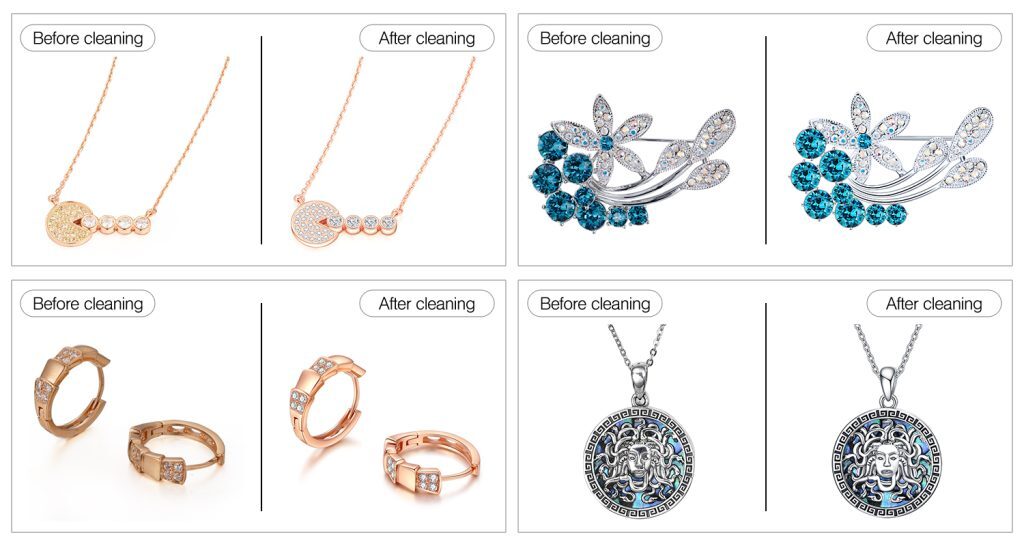
Granbo ultrasonic Jewelry Cleaning effect
How to Safely Use an Ultrasonic Cleaner at Home
If you do choose to use an ultrasonic cleaner at home, following a few important precautions can help minimize risk and protect your jewellery.
First, always read your machine’s manual and follow the manufacturer’s instructions. Not all machines operate at the same frequency, and some may have preset cycles that are too strong for delicate pieces.
Second, choose a mild, jewellery-safe cleaning solution. Many ultrasonic cleaners work well with a mix of warm water and a small amount of dish soap. However, for best results and added safety, you can purchase cleaning concentrates specifically formulated for fine jewellery. Avoid any solutions that contain ammonia, bleach, or acids, which can damage both stones and metals.
Before placing your jewellery in the tank, inspect each piece for loose stones, worn prongs, or cracks. If you’re unsure, do not proceed. The safer option is to clean only the pieces you know are structurally sound.
During cleaning, limit the time to 3–5 minutes for most jewellery. You can repeat the cycle for heavier soiling, but give the piece time to cool between runs.
After cleaning, rinse each piece thoroughly with clean water to remove any residue from the solution. Then pat it dry with a lint-free cloth and allow it to air dry fully before storing or wearing it.
Finally, avoid placing multiple pieces that could scratch each other in the tank at the same time. Use a basket or spacer when cleaning more than one item to prevent direct contact.
Maintenance and Care After Ultrasonic Cleaning
Once your jewellery is clean, the way you handle it afterward plays a big role in keeping it looking its best.
After rinsing and drying, you may notice some water spots or fingerprints if you touch the item with bare hands. Gently buff the piece with a microfiber cloth to restore a high shine. For certain metals like silver or white gold, a polishing cloth with a mild treatment can enhance brilliance.
Storage also matters. To maintain the result of ultrasonic cleaning, store your jewellery in clean, dry, and separate compartments. Avoid tossing pieces together in a single box, which can lead to scratching or tarnishing over time.
How often you should repeat ultrasonic cleaning depends on how often the item is worn. A daily-worn diamond ring may benefit from ultrasonic cleaning every few weeks, while a necklace worn only on special occasions may only need cleaning once or twice a year.
If you notice the shine diminishing or build-up forming again, that’s a sign it’s time for another cleaning. However, more frequent cleaning is not always better. Overuse can accelerate wear on softer metals or delicate settings.
User Reviews and Expert Opinions
Many users who regularly wear fine jewellery report positive experiences with ultrasonic cleaners, particularly for engagement rings, wedding bands, and gold chains. They often describe how pieces “look like new” after just one cleaning cycle, and how grime they didn’t even know was there suddenly disappears.
On the other hand, some users express regret after cleaning the wrong types of jewellery, especially soft gemstones or vintage pieces. Common complaints include loosened stones, dull finishes, or even parts falling off during the cleaning process.
Professional jewellers and gemologists generally support the use of ultrasonic cleaners, but with strong disclaimers. They often recommend ultrasonic cleaning only for structurally sound pieces made from hard materials, and they stress the importance of regular inspections.
Some jewellers also point out that home ultrasonic cleaners, especially budget models, do not match the power, frequency control, and filtration systems of professional-grade units. While good for basic cleaning, they may not be sufficient for restoring tarnished silver or deep grime in intricate filigree.
What to Look for When Buying an Ultrasonic Jewellery Cleaner
If you’ve decided to invest in an ultrasonic cleaner for home use, choosing the right model can make all the difference in both safety and performance. While many affordable options exist, not all are created equal, especially when it comes to cleaning delicate or valuable jewellery.
Frequency is one of the most important specifications to consider. A frequency range between 40 kHz and 45 kHz is common for jewellery cleaning. Higher frequencies produce smaller cavitation bubbles, which are gentler and better suited for intricate items. Lower frequencies can be harsher and are more appropriate for industrial parts than fine jewellery.
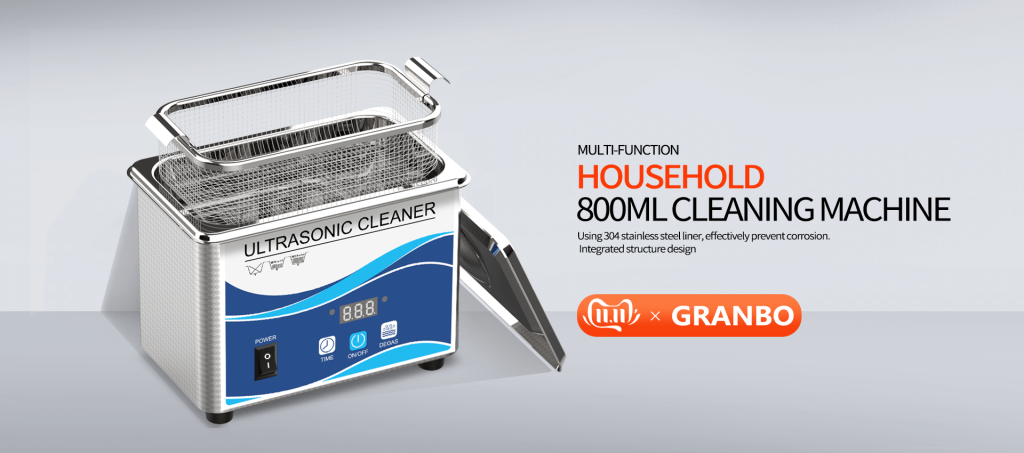
Tank size matters too, especially if you plan to clean larger pieces or multiple items at once. Look for a cleaner with a stainless steel tank, which is more durable and resistant to corrosion than plastic. For most household users, a tank between 500 ml and 1 liter is sufficient.
Timer settings and temperature controls are helpful features. Being able to set short cycles ensures you don’t overexpose your jewellery, and temperature controls help maintain optimal cleaning performance without overheating delicate items.
Avoid models that lack a basket or holder, as this means your jewellery may rest directly on the base of the tank, increasing the risk of scratching or vibration damage. A suspension tray or mesh basket is essential for proper placement during cleaning.
Finally, pay attention to brand reputation and customer support. Choose models from established brands with good user reviews, warranty coverage, and clear usage guidelines. While you don’t need the most expensive machine on the market, reliability and safety should be top priorities when dealing with valuable jewellery.
FAQs About Ultrasonic Jewellery Cleaning
Is ultrasonic cleaning safe for engagement rings?
Yes, if the ring is made from a durable metal like gold or platinum and features a hard gemstone like a diamond or sapphire. However, it should be inspected beforehand to ensure all prongs are secure and the setting is intact.
How often should I clean my jewellery with an ultrasonic cleaner?
It depends on how often the item is worn. Daily wearers may benefit from ultrasonic cleaning once every few weeks. Less frequently worn items can be cleaned every few months or as needed.
What jewellery should never be placed in an ultrasonic cleaner?
Avoid cleaning pearls, opals, emeralds, turquoise, amber, coral, and other soft or porous stones. Also, avoid cleaning pieces that use glue-based settings or vintage items with fragile construction.
Do I need to use a special solution or can I just use water?
While plain water can work for light cleaning, adding a mild, jewellery-safe detergent or specially formulated ultrasonic solution will significantly improve cleaning performance. Never use ammonia or bleach.
Final Thoughts: Are Ultrasonic Jewellery Cleaners Good?
Ultrasonic jewellery cleaners can be a highly effective and convenient tool for maintaining the brilliance of your jewellery, provided they are used correctly and on the right materials. For many jewellery owners, especially those with modern pieces made of gold, platinum, and diamonds, these devices offer a fast, affordable way to keep items looking their best without constant trips to a professional.
These devices are not a universal solution. Understanding your jewellery—its materials, construction, and current condition—is essential before using an ultrasonic cleaner. If you are uncertain, it is safer to consult a jeweller or clean the piece manually using a soft brush and mild soap.
By combining common sense, a basic understanding of how ultrasonic cleaners work, and careful handling, you can safely integrate this technology into your jewellery care routine and enjoy sparkling results for years to come.