 Granbo Ultrasonic












Can Emeralds Go in an Ultrasonic Cleaner? Safe Cleaning Guide
Browse Volume:65 Classify:Support
The short answer is no, ultrasonic cleaners are not recommended for emerald jewelry. While these devices work well for many gemstones, emeralds have unique characteristics that make them vulnerable to damage from ultrasonic vibrations.
Emeralds are naturally brittle stones that almost always contain internal fractures and inclusions. To improve their appearance and stability, most emeralds undergo oil or resin treatments during processing. The intense vibrations generated by ultrasonic cleaners can dislodge these treatments, expand existing fractures, or even cause the stone to crack. Understanding why emeralds require special care and what cleaning methods are safe will help you preserve the beauty and value of your emerald jewelry for years to come.
Understanding Emerald Structure and Composition
Emeralds belong to the beryl family of minerals, sharing their chemical composition with aquamarine and morganite. The vibrant green color comes from trace amounts of chromium, vanadium, or both within the crystal structure. Unlike diamonds or sapphires, emeralds form under specific geological conditions that almost always result in internal characteristics.
The geological formation process creates what gemologists call a Type III clarity gemstone. This classification means that emeralds nearly always contain visible inclusions, which the industry affectionately terms “jardin,” the French word for garden. These internal features aren’t considered flaws in the traditional sense. Instead, they serve as fingerprints that authenticate natural origin and distinguish one stone from another.
The Mohs hardness scale rates emeralds between 7.5 and 8, placing them in the durable category alongside many other precious stones. However, hardness only measures scratch resistance, not toughness or resistance to breaking. The numerous inclusions and fissures that characterize emeralds significantly reduce their toughness, making them vulnerable to sudden impacts or pressure changes.
Natural Inclusions and Internal Characteristics
Every emerald contains a unique network of internal features. These might include crystals of other minerals, gas bubbles, liquid-filled cavities, or fractures that developed during formation. Some fissures extend from the interior to the surface, creating what gemologists call “reaching” inclusions. These surface-reaching fractures pose particular challenges for cleaning and care.
The jardin in an emerald isn’t uniformly distributed throughout the stone. Some areas may be relatively clean while others contain dense concentrations of inclusions. This uneven internal structure creates weak points within the crystal where stress can concentrate. When exposed to rapid temperature changes, chemicals, or vibration, these weak areas become vulnerable to expansion or new fracture development.
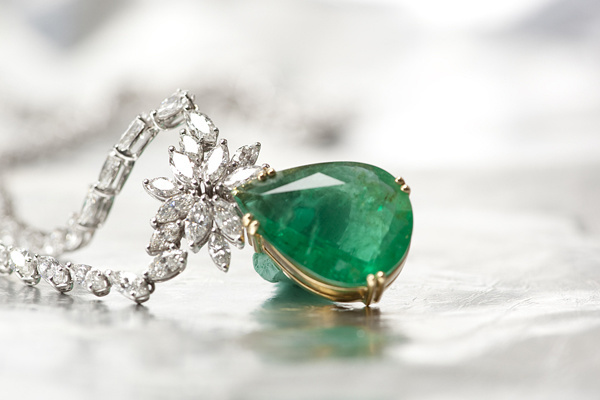
Green Emerald Gemstone
Colombian emeralds often display different inclusion patterns compared to Zambian or Brazilian stones. These variations help gemologists identify origin and authenticate natural stones versus synthetic ones. However, regardless of source, all emeralds share the characteristic of being inclusion-rich compared to other precious gemstones.
Common Treatments Applied to Emeralds
The emerald industry widely accepts certain enhancement treatments as standard practice. Understanding these treatments is essential for proper care because they directly impact cleaning method selection. The most common treatment involves filling surface-reaching fractures with oils, resins, or polymers to improve apparent clarity.
Cedar oil has historically been the traditional filling material for emerald treatments. This colorless oil has a refractive index similar to emerald, making fractures less visible when filled. Modern treatments may use synthetic oils, Canada balsam, or various resins that offer more permanence than natural oils. Some treatments even employ hardened polymers that resist removal better than traditional oils.
Industry estimates suggest that approximately 90 to 95 percent of emeralds on the market have received some form of clarity enhancement. This near-universal treatment practice means that most emerald owners are caring for treated stones, whether they realize it or not. The treatment level can range from minor (affecting only a few fractures) to significant (involving extensive filling throughout the stone).
Treatment stability varies considerably based on the filling material used. Traditional cedar oil can gradually evaporate or leak out over time, especially when exposed to heat or solvents. More modern resin treatments offer greater permanence but may still deteriorate under harsh conditions. This treatment vulnerability directly relates to why certain cleaning methods pose risks to emeralds.
How Ultrasonic Cleaners Work
Ultrasonic cleaners generate high-frequency sound waves, typically ranging between 20 and 80 kHz, far above the range of human hearing. These sound waves travel through a liquid cleaning solution, usually water mixed with a mild detergent. The technology was originally developed for industrial applications but has become increasingly popular for jewelry cleaning.
The cleaning unit contains a transducer that converts electrical energy into mechanical vibrations. These vibrations create alternating patterns of compression and expansion in the liquid. The rapid oscillation happens thousands of times per second, creating an environment of constant motion within the cleaning bath.
Industrial ultrasonic cleaners typically operate at frequencies between 20 and 40 kHz, while home-use units commonly function in the 40 to 68 kHz range. As cleaning requirements have become more specialized, manufacturers have developed advanced units operating across a broader spectrum of 20 to 200 kHz. Professional jewelers may use units with adjustable frequencies or multiple settings for different materials. The cleaning cycle typically runs for three to ten minutes, depending on the level of soiling and the items being cleaned.
Cavitation and Its Effects on Jewelry
The cleaning power of ultrasonic devices comes from a process called cavitation. As sound waves pass through the liquid, they create microscopic bubbles during the expansion phase. These bubbles form in areas of low pressure and contain vacuum or dissolved gases from the liquid. When the pressure wave reverses, the bubbles collapse violently in a process called implosion.
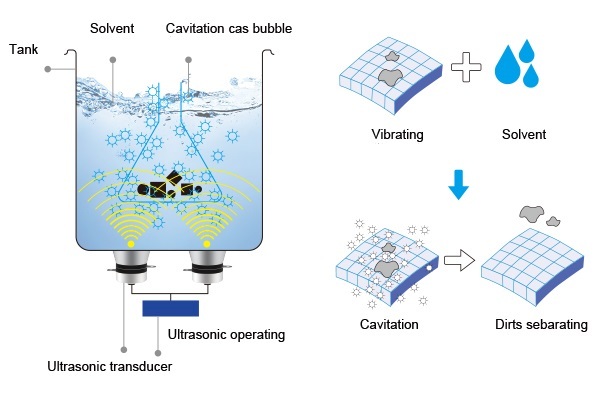
The Principle Behind Ultrasonic Cleaning
The implosion of cavitation bubbles releases tremendous energy in a very small area. This creates microscopic jets of liquid and localized temperature spikes that can dislodge dirt, oils, and other contaminants from jewelry surfaces. The process reaches into tiny crevices, behind stone settings, and into areas that manual cleaning cannot access effectively.
The same cavitation forces that remove dirt also create stress on jewelry materials. The rapid pressure changes and micro-impacts affect every surface in the cleaning bath. For durable materials like gold, platinum, and certain gemstones, this stress poses no problem. However, materials with inherent weaknesses or internal fractures can suffer damage from the cavitation process.
Why Ultrasonic Cleaners Are Popular for Jewelry
Jewelers and consumers appreciate ultrasonic cleaners for their efficiency and thoroughness. A piece of jewelry can be cleaned in minutes without hand scrubbing or the use of harsh chemicals. The technology works particularly well for diamond jewelry, where the ultrasonic action removes buildup from behind settings and within pavé work that hand cleaning might miss.
The convenience factor cannot be overstated. Many jewelry stores offer complimentary ultrasonic cleaning as a customer service, taking only a few minutes while the customer waits. Home units have become affordable, allowing jewelry enthusiasts to maintain their collections between professional cleanings.
For appropriate gemstones, ultrasonic cleaning produces excellent results. Diamonds, rubies, and sapphires typically respond well to the treatment, emerging with restored brilliance. This success with hard, inclusion-free stones has led some jewelry owners to assume all gemstones can be cleaned ultrasonically, a misconception that puts vulnerable stones like emeralds at risk.

Granbo Ultrasonic Jewelry Cleaning Effect
Why Emeralds Should Not Go in Ultrasonic Cleaners
The Risk of Fracture Expansion
The primary danger of ultrasonic cleaning for emeralds lies in the potential for existing fractures to expand or new cracks to form. The cavitation bubbles created during ultrasonic cleaning collapse with enough force to propagate stress through the gemstone. When this stress encounters an existing fracture or inclusion, it can cause the weakness to extend further into the stone.
Emeralds already contain networks of internal fractures and surface-reaching fissures. The rapid vibration and pressure changes in an ultrasonic cleaner can work into these existing fractures, acting like a microscopic wedge. What begins as a minor inclusion can develop into a visible crack that compromises both the beauty and structural integrity of the stone.
The damage often isn’t immediately apparent. An emerald might emerge from ultrasonic cleaning looking fine, only to develop visible cracks hours or days later as internal stresses redistribute. This delayed damage makes it difficult for jewelry owners to connect the cleaning method with the subsequent problems, leading to repeated exposure and cumulative harm.
Professional gemologists and jewelers universally advise against ultrasonic cleaning for emeralds. The Gemological Institute of America, one of the most respected authorities in the field, specifically lists emeralds among the gemstones that should never be placed in ultrasonic cleaners. This professional consensus reflects decades of experience and documented cases of ultrasonic damage.
Oil Treatment Removal Concerns
Beyond the mechanical stress of cavitation, ultrasonic cleaning poses a chemical threat to treated emeralds. The combination of vibration, heat, and detergent solutions can remove or degrade the oils and resins used to fill fractures. Once these treatments are removed, the apparent clarity of the emerald diminishes significantly as the unfilled fractures become visible.
Traditional cedar oil treatments are particularly vulnerable to ultrasonic cleaning. The vibration helps break the bond between the oil and the fracture walls, while the detergent solution emulsifies the oil for removal. Even a single ultrasonic cleaning session can strip away treatments that took considerable time and expertise to apply.
More permanent resin treatments offer slightly better resistance to ultrasonic cleaning, but they aren’t immune to damage. Prolonged or repeated exposure can still cause treatment breakdown. Some modern polymers might withstand brief ultrasonic exposure, but the risk of fracture propagation remains even if the treatment survives.
When treatments are removed by inappropriate cleaning, the emerald requires professional retreatment to restore its appearance. This process involves cleaning the fractures, reapplying oil or resin under controlled conditions, and sometimes requires specialized equipment. The cost and inconvenience of retreatment far exceeds the minimal effort required to use safe cleaning methods from the beginning.
Professional Jeweler Recommendations
Experienced jewelers who specialize in colored gemstones take extra precautions with emerald jewelry. Many refuse to place emeralds in ultrasonic cleaners regardless of customer requests, preferring to protect the stone even if it means using more time-consuming hand cleaning methods. This professional caution reflects understanding of both the immediate and long-term risks.
Insurance companies that cover high-value jewelry often include clauses about proper care and maintenance. Damage resulting from inappropriate cleaning methods may not be covered under standard policies. Some insurers specifically mention ultrasonic cleaning of emeralds as an excluded activity, placing financial responsibility on owners who ignore care recommendations.
The American Gem Society and similar professional organizations provide guidelines for jewelers regarding gemstone care. These guidelines emphasize education, recommending that jewelers inform customers about the specific needs of their gemstones. For emeralds, this education always includes warnings about ultrasonic and steam cleaning.
Some jewelry manufacturers that produce emerald pieces include care cards with their products. These cards typically feature prominent warnings against ultrasonic cleaning, steam cleaning, and exposure to harsh chemicals. Following manufacturer recommendations helps preserve both the beauty and warranty coverage of emerald jewelry.
Safe Cleaning Methods for Your Emerald Jewelry
The Gentle Soap and Water Technique
The safest and most effective method for cleaning emerald jewelry involves nothing more sophisticated than lukewarm water, mild soap, and a soft brush. This approach removes surface dirt and oils without exposing the emerald to dangerous vibrations, temperature extremes, or harsh chemicals.
Begin by preparing a small bowl of lukewarm water, never hot or cold. Extreme temperatures can cause thermal shock in emeralds, potentially expanding existing fractures or creating new ones. Add a few drops of mild dish soap or a specialized jewelry cleaning solution formulated for delicate gemstones. Avoid soaps with moisturizers, fragrances, or antibacterial additives, as these can leave residue.
Place the emerald jewelry in the soapy water and let it soak for five to ten minutes. This soaking loosens surface dirt and oils without requiring aggressive scrubbing. After soaking, use a very soft brush, such as a baby toothbrush or specialized jewelry brush with natural bristles, to gently clean around the setting and on the emerald surface.
Brush with light pressure, using small circular motions. Pay attention to the areas around prongs or bezels where dirt accumulates, but avoid excessive pressure on the emerald itself. The goal is to remove buildup, not to scrub vigorously. Rinse thoroughly under lukewarm running water, ensuring all soap residue is removed. Pat dry with a soft, lint-free cloth.
Professional Cleaning Services
For emerald jewelry with significant value or sentimental importance, professional cleaning services offer peace of mind. Jewelers who specialize in colored gemstones have the expertise to assess each piece individually and select appropriate cleaning methods. They can identify potential problems that owners might miss and address them before cleaning begins.
Professional cleaning typically costs between fifteen and fifty dollars, depending on the complexity of the piece and local market rates. This investment protects against the much higher cost of repairing damage from improper home cleaning. Many jewelers offer free or discounted cleaning for pieces purchased from their store, making professional service even more accessible.
During professional cleaning, jewelers often perform a courtesy inspection of the setting. They check prong integrity, look for loose stones, and assess the overall condition of the piece. This inspection can catch problems early, before a stone is lost or further damage occurs. The combination of expert cleaning and inspection adds significant value beyond the cleaning itself.
Some jewelers offer annual service plans that include regular cleaning and inspection. For emerald jewelry worn frequently, these plans provide convenient maintenance scheduling and often include additional benefits like complimentary polishing or minor repairs. The regular professional attention helps maximize the longevity and beauty of emerald pieces.
Microfiber Cloth Maintenance
Between deep cleanings, simple maintenance with a microfiber cloth keeps emeralds looking their best. This approach works particularly well for pieces worn daily, such as engagement rings or everyday earrings. The gentle buffing removes fingerprints, skin oils, and light dust without any water or chemicals.
Quality microfiber cloths designed for jewelry use ultra-fine fibers that lift and trap particles rather than simply pushing them around. The cloth should be clean and dry, never used with polishing compounds unless specifically formulated for emeralds. Store a dedicated cloth with your emerald jewelry for convenient touch-ups.
After wearing emerald jewelry, especially rings or bracelets that contact skin frequently, wipe the piece gently with the microfiber cloth. Use light pressure and smooth strokes rather than aggressive rubbing. This simple habit takes only seconds but significantly extends the time between needed deep cleanings.
Replace microfiber cloths regularly, as they accumulate dirt and oils over time. A dirty cloth can actually transfer grime to jewelry rather than removing it. Washing microfiber cloths is possible but reduces their effectiveness, so consider them consumable items with a limited lifespan. The minimal cost of replacement cloths is negligible compared to the value they protect.
Comparing Cleaning Methods for Different Gemstones
Gems Safe for Ultrasonic Cleaning
Understanding which gemstones tolerate ultrasonic cleaning helps jewelry owners make informed decisions. Diamonds without significant fractures or inclusions generally handle ultrasonic cleaning well. Their superior hardness and toughness make them resistant to cavitation damage. Most diamond jewelry cleaning in professional settings uses ultrasonic devices.
Rubies and sapphires, both varieties of the mineral corundum, typically withstand ultrasonic cleaning without problems. Their hardness rating of 9 on the Mohs scale and general lack of extensive fracturing make them durable enough for the process. However, heavily included specimens or those with significant fractures warrant more cautious approaches.
Hard, non-porous gemstones like chrysoberyl, spinel, and most garnets usually tolerate ultrasonic cleaning. These materials lack the inherent fracturing common in emeralds and generally receive minimal or no treatments that could be affected. Always verify the specific stone’s characteristics, as exceptions exist within every gemstone variety.
Even for suitable stones, limitations apply. Gemstones assembled from multiple pieces, such as doublets or triplets, should never undergo ultrasonic cleaning as the adhesives can fail. Heavily fractured stones of any type risk damage. When uncertainty exists about a stone’s identity or condition, choosing gentler cleaning methods eliminates risk.
Other Delicate Stones Requiring Special Care
Emeralds share their vulnerable status with several other precious and semi-precious gemstones. Opals contain significant water content and have a porous structure that makes them susceptible to ultrasonic damage. The vibration can cause water loss or structural damage, and the detergents used in cleaning solutions can penetrate and discolor the stone.
Pearls, whether natural or cultured, should never be exposed to ultrasonic cleaning. Their organic composition and layered structure make them fragile despite appearing solid. The nacre layers can separate under ultrasonic vibration, and the detergents used in cleaning solutions can damage the pearl surface. Pearls require only gentle wiping with a damp cloth.
Tanzanite, despite its popularity and value, has distinct cleavage planes that make it vulnerable to fracturing under ultrasonic vibration. Many tanzanites also contain inclusions or fractures that increase risk. The gemstone’s relative rarity and value make the potential for ultrasonic damage particularly costly.
Turquoise, lapis lazuli, and other porous gemstones can absorb cleaning solutions during ultrasonic treatment, leading to discoloration or structural damage. These materials often receive treatments like wax or resin application that ultrasonic cleaning can remove. Like emeralds, they require gentle hand cleaning with minimal moisture.
Frequently Asked Questions About Emerald Care
Can I use steam cleaning for my emerald ring?
Steam cleaning poses similar risks to ultrasonic cleaning for emeralds and should be avoided. The high temperature of steam can cause thermal shock and may remove or damage oil and resin treatments. The combination of heat and moisture creates conditions that stress both the emerald and its treatments. Stick with lukewarm water and gentle hand cleaning for emerald jewelry.
How often should I clean my emerald jewelry?
Cleaning frequency depends on wear patterns and exposure to dirt and oils. Pieces worn daily benefit from weekly gentle cleaning with soap and water. Occasional-wear pieces may only need cleaning every few months or when visibly dirty. Between cleanings, wipe emeralds with a soft cloth after wearing to remove skin oils and prevent buildup.
Will cleaning remove my emerald’s treatment?
Proper cleaning with lukewarm water and mild soap will not remove emerald treatments. These gentle methods clean only surface dirt without affecting oils or resins within the stone’s fractures. Harsh cleaning methods, chemicals, heat, and ultrasonic or steam cleaning can damage or remove treatments. Following recommended care practices protects both your emerald and its treatments.
Can a jeweler tell if my emerald has been damaged?
Professional jewelers can identify many types of emerald damage through examination under magnification. New fractures, chips, or changes in treatment appearance are typically visible to trained eyes. However, subtle damage or changes may require comparison with previous condition documentation. Regular professional inspections create baseline records that help identify changes over time.
Is it safe to wear my emerald ring every day?
Daily wear is acceptable for emerald rings if you develop protective habits. Remove the ring during high-risk activities like cleaning, exercising, or working with your hands. Choose appropriate settings, with bezels offering more protection than high prongs. Accept that daily wear will eventually show in the form of metal wear and minor surface abrasions, and plan for occasional professional maintenance.
What should I do if my emerald cracks?
If you notice a new crack in your emerald, discontinue wear immediately and consult a professional jeweler or gemologist. They can assess whether the crack compromises the stone’s structural integrity or if it remains suitable for continued wear. Some cracks can be treated and filled, while others may necessitate remounting in a more protective setting. Never attempt DIY repairs on cracked emeralds.
How can I tell if my emerald needs retreatment?
Emeralds requiring retreatment often show increased visibility of internal fractures and inclusions compared to their initial appearance. The stone may appear less transparent or more heavily included than when first purchased. Surface-reaching fractures may appear more prominent. Professional gemological examination provides definitive assessment of treatment condition and retreatment needs.
Are synthetic emeralds easier to care for than natural ones?
Synthetic emeralds typically contain fewer inclusions and fractures than natural stones, potentially making them slightly less vulnerable to damage. However, many synthetics still receive clarity enhancement treatments and retain the same chemical sensitivity and moderate toughness as natural emeralds. Use the same gentle care methods for synthetic emeralds as you would for natural stones.