 Granbo Ultrasonic











Can You Clean Your Diamond Ring in an Ultrasonic Cleaner? A Complete Guide
Browse Volume:70 Classify:Support
Diamond rings accumulate dirt, oils, and residue faster than most people realize. Body lotions, soaps, cooking oils, and everyday grime create a film that dulls the brilliant sparkle you fell in love with. Many jewelry owners wonder whether ultrasonic cleaners offer a safe, effective solution for restoring that original brilliance without risking damage to their precious rings.
The short answer is yes, but with important qualifications. Ultrasonic cleaners can safely clean most diamond rings when used correctly, but certain conditions, settings, and ring characteristics require careful consideration before you place your jewelry in the cleaning solution.
Understanding Ultrasonic Cleaning Technology
Ultrasonic cleaners operate through a fascinating scientific process called cavitation. These devices generate high-frequency sound waves, typically between 20 kHz and 200 kHz, far beyond human hearing range. When these sound waves pass through a liquid cleaning solution, they create millions of microscopic bubbles.
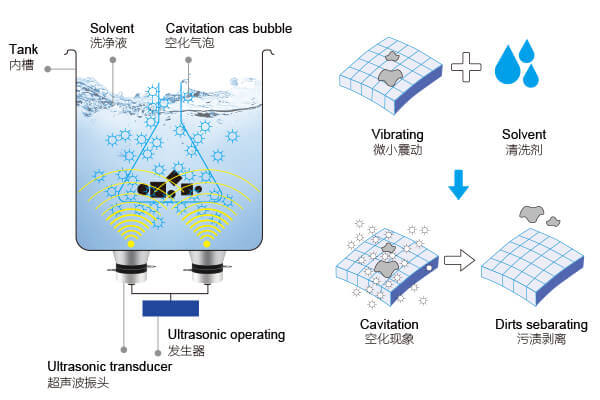
The Principle Behind Ultrasonic Cleaning
These tiny bubbles form and collapse thousands of times per second. Each bubble collapse produces intense localized pressure and temperature spikes that dislodge dirt, oils, and debris from surfaces and crevices. The process reaches into tight spaces that manual brushing cannot access, including the intricate areas beneath diamond settings where grime accumulates most heavily.
The cleaning solution itself plays a supporting role. Most ultrasonic cleaners work with plain water, though specialized jewelry cleaning solutions enhance effectiveness. The mechanical action of cavitation bubbles does the heavy lifting, quite literally scrubbing your ring at a microscopic level without any abrasive contact.
Why Ultrasonic Cleaners Work Well for Diamond Rings
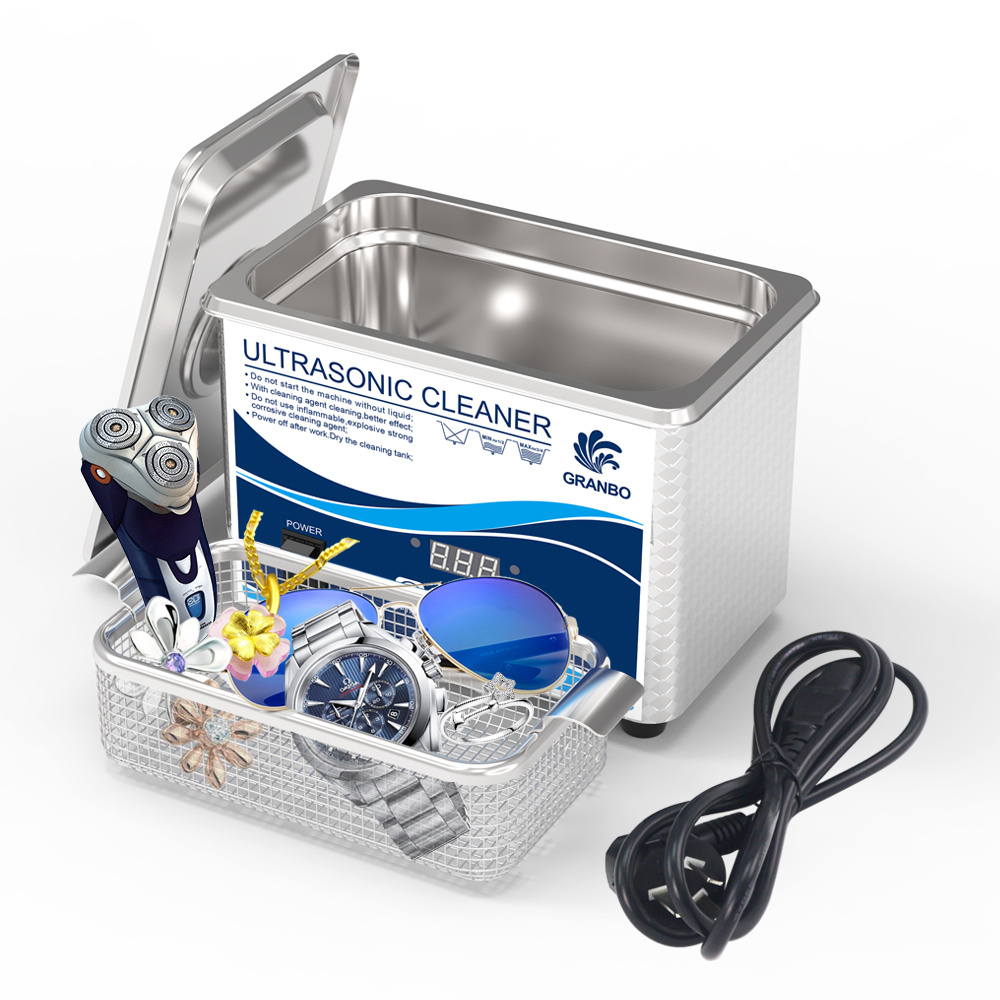
Click to view: Granbo GA008G Multi-Purpose Home Ultrasonic Cleaner for Jewelry, Watches & Eyeglasses
Diamonds rank as the hardest naturally occurring substance on Earth, measuring 10 on the Mohs hardness scale. This exceptional durability means diamonds resist scratching and damage from the intense cavitation process. The same ultrasonic waves that might harm softer gemstones simply clean away debris from diamond surfaces without causing harm.
The ultrasonic cleaning process offers several advantages specifically for diamond rings. First, it reaches underneath the diamond setting where traditional brushing cannot penetrate. This area, often called the pavilion, collects oils and soap residue that block light from entering and reflecting through the stone. When cleaned properly, diamonds regain their fire and brilliance immediately.
Second, ultrasonic cleaning requires minimal handling. You simply place the ring in the basket, turn on the machine, and wait. This reduces the risk of accidentally loosening stones through aggressive scrubbing or dropping the ring down a drain during manual cleaning.
When Ultrasonic Cleaning Is Safe for Your Diamond Ring
Modern diamond rings with secure settings tolerate ultrasonic cleaning beautifully. Prong settings, the most common mounting style, work well when the prongs remain intact and properly maintained. These metal claws grip the diamond securely, and the ultrasonic vibrations simply cannot generate enough force to loosen properly maintained prongs.
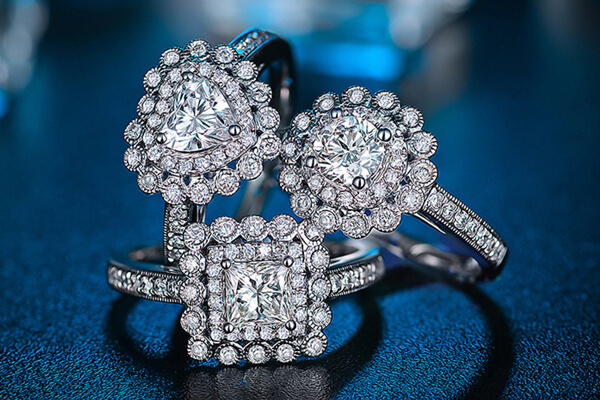
Exquisitely crafted diamond-set ring
Bezel settings, where metal completely surrounds the diamond’s perimeter, represent the safest option for ultrasonic cleaning. The diamond sits protected within a metal cup, eliminating any risk of the stone dislodging during cleaning. Many jewelers recommend ultrasonic cleaning specifically for bezel-set rings because of this extra security.
Channel settings, where diamonds sit between two metal walls, also handle ultrasonic cleaning safely. The diamonds nestle securely within the channel, protected from direct vibration impact. These settings actually benefit significantly from ultrasonic cleaning because debris trapped between stones clears away effectively.
Recently purchased rings from reputable jewelers typically qualify as safe candidates. Modern manufacturing standards and quality control ensure secure settings that withstand regular ultrasonic cleaning. Most jewelers ultrasonic clean new rings before sale, confirming the process suits the piece.
When You Should Avoid Ultrasonic Cleaners
Not all diamond rings suit ultrasonic cleaning. Certain conditions create risks that outweigh the benefits of this powerful cleaning method. Understanding these warning signs protects your valuable jewelry from potential damage.
Critical Warning Signs That Disqualify Ultrasonic Cleaning:
Loose Stones
The most obvious disqualifier is a loose diamond. Test your stone’s security by applying gentle fingernail pressure from different angles. Any movement, no matter how slight, means the setting cannot withstand ultrasonic vibrations. The cleaning process will almost certainly loosen the stone further, potentially causing it to fall out during or immediately after cleaning. Never risk ultrasonic cleaning with a loose stone.
Damaged or Worn Prongs
Prongs deteriorate through normal wear over the years. Before each cleaning session, inspect every prong carefully under bright lighting, ideally with a magnifying glass. Look for these specific problems:
- Prongs that appear noticeably thinner than when originally purchased
- Bent prongs that no longer align properly with the diamond
- Visible cracks or splits in the metal
- Prongs worn flat on top rather than rounded
- Any prong that moves when touched with a fingernail
Even one compromised prong makes ultrasonic cleaning unsafe. Schedule professional prong repair before attempting any cleaning.
Diamonds with Significant Inclusions
While diamonds rank as extremely hard materials, internal flaws create vulnerability. Inclusions are natural characteristics, but certain types pose risks during ultrasonic cleaning:
- I2 or I3 clarity grades: These heavily included diamonds contain visible flaws that may extend to the surface. Ultrasonic vibrations can theoretically propagate existing fractures, though this occurs rarely.
- Feather inclusions: These fracture-like inclusions reaching the surface create the highest risk. Vibrations may extend these cracks.
- Cavity inclusions: Surface-reaching flaws that trap debris also create weak points susceptible to vibration damage.
Most experts recommend manual cleaning for diamonds with significant visible inclusions. If you own an I2 or I3 graded diamond, consult your jeweler before ultrasonic cleaning.
Treated or Enhanced Diamonds
Several common diamond treatments cannot withstand ultrasonic cleaning:
- Fracture-filled diamonds: Glass-like substances fill surface-reaching cracks to improve appearance. Ultrasonic vibrations dislodge or damage this filling material, creating immediate visible damage. These diamonds require exclusively gentle manual cleaning.
- Laser-drilled diamonds: Tiny tunnels drilled to remove dark inclusions create permanent pathways through the stone. While generally stable, these treatments warrant gentler cleaning approaches.
- Coated diamonds: Some diamonds receive thin film coatings to enhance color. Ultrasonic cleaning may damage or remove these coatings entirely.
Check your diamond’s grading certificate for any treatments listed. When treatments appear on the certificate, avoid ultrasonic cleaning unless specifically approved by the treatment manufacturer.
What Ring Settings Require Extra Caution
Beyond diamond condition, specific ring settings demand careful evaluation before ultrasonic cleaning. The mounting style significantly impacts whether your ring can safely tolerate this aggressive cleaning method.
Antique and Vintage Rings
Age brings beauty but also hidden vulnerabilities. Older rings carry decades of wear that weakens settings in ways invisible during casual inspection. Metal fatigue develops over time, creating microscopic cracks that suddenly fail under stress. Prongs worn thin by years of contact against surfaces may appear intact but lack structural integrity.
Many antique jewelry specialists establish a firm rule: avoid ultrasonic cleaning for pieces over fifty years old unless recently inspected and reinforced by a qualified jeweler. Victorian, Edwardian, and Art Deco rings particularly deserve this conservative approach. The craftsmanship may be exquisite, but the materials have endured substantial mechanical stress.
If you own an heirloom ring, schedule professional evaluation before any ultrasonic cleaning. Jewelers can assess structural integrity, reinforce weak points, and advise whether the piece tolerates modern cleaning methods.
Pave Settings
Pave settings present complicated compatibility questions. These designs feature numerous small diamonds set closely together, creating a sparkling surface that resembles pavement. The suitability for ultrasonic cleaning depends entirely on construction quality and age.
- Modern high-quality pave: Well-constructed contemporary pave work generally tolerates ultrasonic cleaning. Each tiny diamond sits in its own secure setting with properly formed beads or prongs holding it in place.
- Vintage or budget pave: Older pave settings or lower-quality construction frequently suffer from inadequately secured individual stones. Mass-produced rings sometimes skip proper setting techniques to reduce costs.
The risk with pave involves collective vibration effects. Dozens of small stones vibrating simultaneously can loosen multiple diamonds at once rather than just one. A single loose stone becomes ten loose stones, dramatically increasing loss probability.
Conservative guidance suggests manual cleaning for pave rings unless your jeweler specifically examines and approves ultrasonic use. The spectacular sparkle of pave settings justifies extra caution in maintenance.
Tension Settings
Tension settings represent modern engineering applied to jewelry design. These contemporary mountings hold diamonds through precisely calibrated pressure between two metal ends rather than traditional prongs or bezels. The diamond appears to float, gripped only by spring tension in the metal band.
This innovative design creates unique ultrasonic concerns. The exact tension balance securing the stone might shift under prolonged ultrasonic vibration. While catastrophic failure remains unlikely, even minor tension adjustments can loosen the diamond over time.
Most jewelers recommend two approaches for tension-set rings:
- Avoid ultrasonic cleaning entirely: The safest option uses manual cleaning exclusively.
- Limit exposure severely: If using ultrasonic cleaning, restrict sessions to 30 seconds maximum and increase inspection frequency.
Always have tension settings professionally checked every six months regardless of cleaning method. The specialized nature of these mountings requires expert evaluation to ensure continued security.
Quick Reference: Diamond Ring Ultrasonic Compatibility
| Ring Condition/Setting | Safe for Ultrasonic? | Recommended Action |
|---|---|---|
| Loose stone (any movement) | Never | Professional tightening required first |
| Worn/damaged prongs | No | Repair prongs before cleaning |
| I2/I3 clarity diamonds | Not recommended | Use gentle manual cleaning |
| Fracture-filled diamonds | Never | Manual cleaning only |
| Laser-drilled diamonds | Use caution | Consult jeweler first |
| Antique/Vintage (50+ years) | Avoid | Professional inspection required first |
| Pave settings | Caution required | Jeweler approval recommended |
| Tension settings | Limit to 30 seconds | Or avoid entirely |
| Recently repaired settings | Wait 48-72 hours | Allow adhesives to cure fully |
Final Compatibility Assessment
Before ultrasonic cleaning any diamond ring, complete this simple checklist:
- Stone security: Zero movement when tested with fingernail pressure
- Prong condition: All prongs intact, rounded, and properly formed
- Diamond clarity: SI2 or better preferred, avoid I2/I3 grades
- Treatment status: No fracture filling, laser drilling, or coatings
- Setting age: Under 50 years old or recently professionally reinforced
- Setting type: Not pave, tension, or other high-risk designs
If any single item fails, choose manual cleaning or professional service instead. The conservative approach always proves wiser when uncertainty exists. The temporary inconvenience of gentler methods far outweighs the permanent consequences of losing a diamond through aggressive cleaning.
Step-by-Step Guide to Cleaning Your Diamond Ring
Proper technique maximizes cleaning effectiveness while minimizing risks. Begin with thorough visual inspection using a magnifying glass if available. Check every prong, examining for bends, cracks, or excessive thinning. Gently attempt to wiggle the diamond. Any movement whatsoever indicates loose setting requiring professional attention before cleaning.
Inspect the diamond itself for chips or visible cracks, particularly along the girdle or edges. Look underneath the setting when possible, checking for accumulated debris but also evaluating the stone’s security from multiple angles. This pre-cleaning inspection takes just two minutes but prevents most ultrasonic cleaning disasters.
Fill your ultrasonic cleaner with appropriate solution following manufacturer guidelines. Plain warm water works adequately, though commercial jewelry cleaning solutions designed for ultrasonic use improve results. Avoid household cleaners, harsh chemicals, or unknown solutions that might damage metal settings or leave residues.
Place your ring in the cleaner’s basket rather than directly on the tank bottom. This prevents the ring from bouncing against hard surfaces during operation. Position the ring so the diamond faces downward or sideways, allowing bubbles to reach underneath the setting most effectively.
Set the timer for three to five minutes maximum. Longer cleaning provides no additional benefit and may increase loosening risks for vulnerable settings. Most grime dissolves within the first two minutes, with additional time merely repeating the same cleaning action unnecessarily.
Remove the ring promptly when the cycle completes. Rinse thoroughly under warm running water to remove any cleaning solution residue. Pat dry with a soft, lint-free cloth. Inspect the ring again post-cleaning, verifying the diamond remains secure and no damage occurred during the process.
Alternative Cleaning Methods
Manual cleaning offers the safest option for rings unsuitable for ultrasonic treatment. Mix warm water with a few drops of mild dish soap in a small bowl. Soak the ring for 20 to 30 minutes, allowing the solution to loosen accumulated debris. Use a soft toothbrush designated exclusively for jewelry to gently scrub the diamond and setting, paying special attention to areas beneath the stone.
This traditional method requires more time and effort than ultrasonic cleaning but poses virtually zero risk to properly maintained rings. The gentle mechanical action combined with soap’s degreasing properties removes most common contaminants effectively. Rinse thoroughly and dry with a lint-free cloth.
Professional cleaning services remain the gold standard, particularly for valuable rings or pieces with questionable condition. Most jewelers offer free or inexpensive cleaning services, often including inspection and minor repairs. Professional jewelers possess specialized equipment, expertise, and insurance that home cleaning cannot match.
Schedule professional cleanings every six months regardless of home cleaning frequency. Jewelers inspect prongs, check for loose stones, and identify developing problems before they cause stone loss. This professional oversight provides peace of mind worth far more than the minimal service cost.
Daily maintenance prevents heavy buildup requiring intensive cleaning. Remove your ring before applying lotions, washing dishes, or handling greasy foods. Store rings in fabric-lined boxes when not wearing them, preventing dust accumulation. Quick weekly rinses under warm water dislodge fresh debris before it bonds to surfaces.
Common Mistakes to Avoid
Over-cleaning represents a surprisingly common error. Some enthusiasts believe frequent ultrasonic cleaning improves their diamond’s appearance, running cleaning cycles daily or multiple times weekly. This excessive cleaning provides no benefit beyond reasonable maintenance schedules while potentially accelerating setting wear through repeated vibration exposure. Once weekly cleaning suffices for regularly worn rings, with monthly cleaning adequate for occasionally worn pieces.
Mixing incompatible jewelry types in a single cleaning cycle causes problems. Different metals and gemstones react differently to ultrasonic vibrations. Harder materials might scratch softer ones when vibrating together in close proximity. Clean diamond rings separately from other jewelry types, or at minimum separate pieces by material compatibility.
Using inappropriate cleaning solutions damages rings over time. Harsh chemicals like bleach, chlorine, or acetone attack metal settings even when diamonds themselves remain unaffected. Stick with solutions specifically formulated for jewelry or plain water. When experimenting with new solutions, test on inexpensive jewelry first.
Neglecting post-cleaning inspection allows problems to progress unnoticed. After each ultrasonic cleaning session, carefully examine the entire ring for any changes. Newly loose stones, shifted prongs, or other abnormalities require immediate professional attention. Early detection prevents complete stone loss and reduces repair complexity and cost.