 Granbo Ultrasonic








What Are the Advantages of Ultrasonic Cleaning Machines? 10 Key Benefits Explained
Browse Volume:73 Classify:Support
Modern businesses face constant pressure to improve efficiency while maintaining quality standards. Cleaning processes, often overlooked as routine maintenance, actually represent significant operational costs and time investments. Ultrasonic cleaning machines have emerged as game-changing solutions that address these challenges through innovative sound wave technology. These devices harness high-frequency vibrations to clean items more thoroughly than traditional methods, transforming how industries approach maintenance and sanitation tasks.
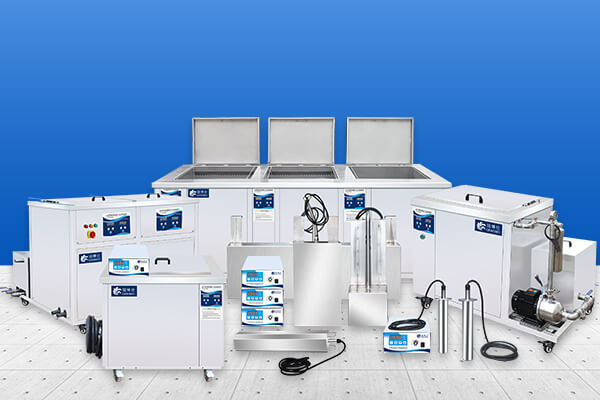
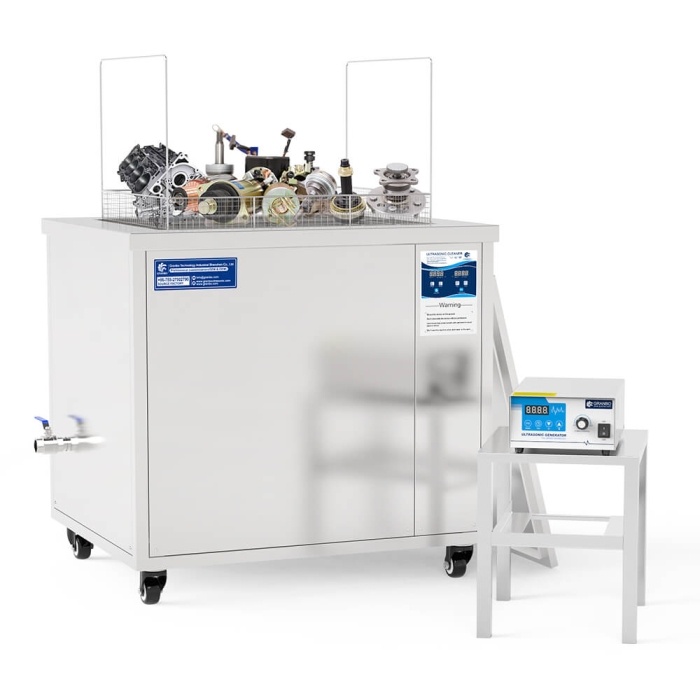
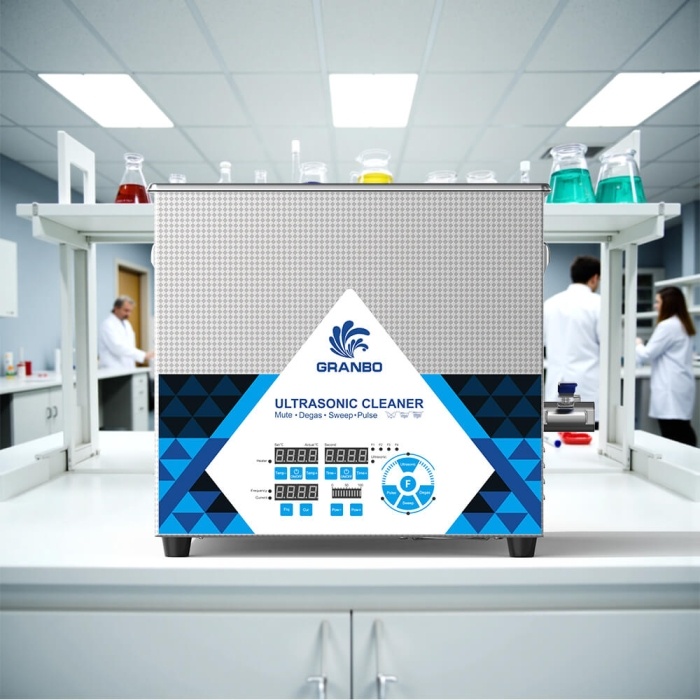
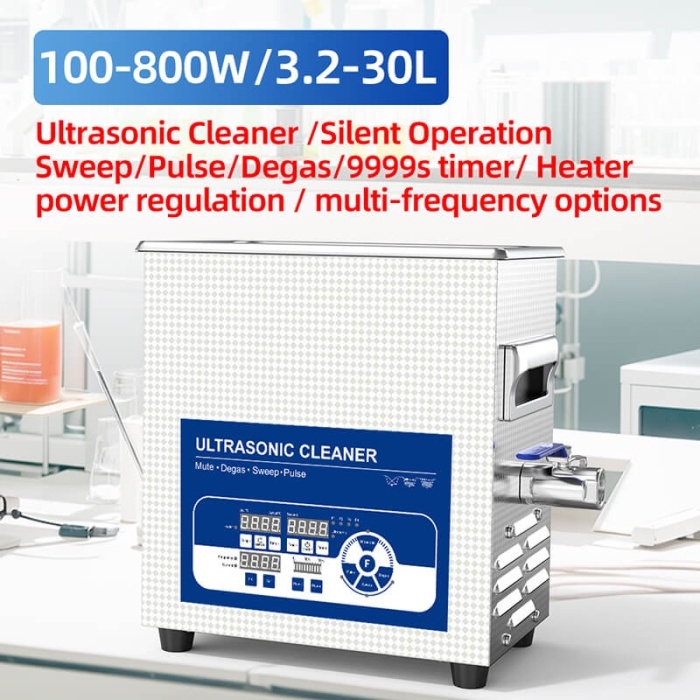
Ultrasonic Cleaning Machines
Professional workshops, medical facilities, and manufacturing plants worldwide have adopted ultrasonic cleaning because it delivers results that manual scrubbing and conventional washing simply cannot match. The technology works beneath the surface level, penetrating microscopic crevices and removing contaminants that remain invisible to the naked eye. This comprehensive cleaning capability makes ultrasonic machines invaluable across diverse applications, from delicate surgical instruments to robust industrial components.
Understanding Ultrasonic Cleaning Technology
The foundation of ultrasonic cleaning lies in physics principles that convert electrical energy into mechanical vibrations. These machines generate sound waves at frequencies typically ranging from 20 kHz to 400 kHz, far beyond human hearing capacity. When these waves travel through a liquid cleaning solution, they create a phenomenon that delivers exceptional cleaning power without physical contact.
How Ultrasonic Waves Create Microscopic Cleaning Action
Ultrasonic transducers attached to the cleaning tank convert electrical signals into high-frequency vibrations. These vibrations propagate through the cleaning fluid, creating alternating high-pressure and low-pressure cycles that occur thousands of times per second. The rapid oscillation generates microscopic bubbles throughout the solution, forming what experts call a cavitation field. This field permeates every corner of the tank, ensuring that cleaning action reaches all submerged surfaces simultaneously.
The frequency selection plays a crucial role in cleaning effectiveness. Lower frequencies around 25 kHz to 40 kHz produce larger, more aggressive bubbles suitable for heavily soiled items with durable surfaces. Higher frequencies between 80 kHz and 170 kHz create smaller, gentler bubbles ideal for delicate components and polished surfaces. Some advanced machines offer multiple frequencies, allowing operators to adjust the cleaning intensity based on specific requirements.
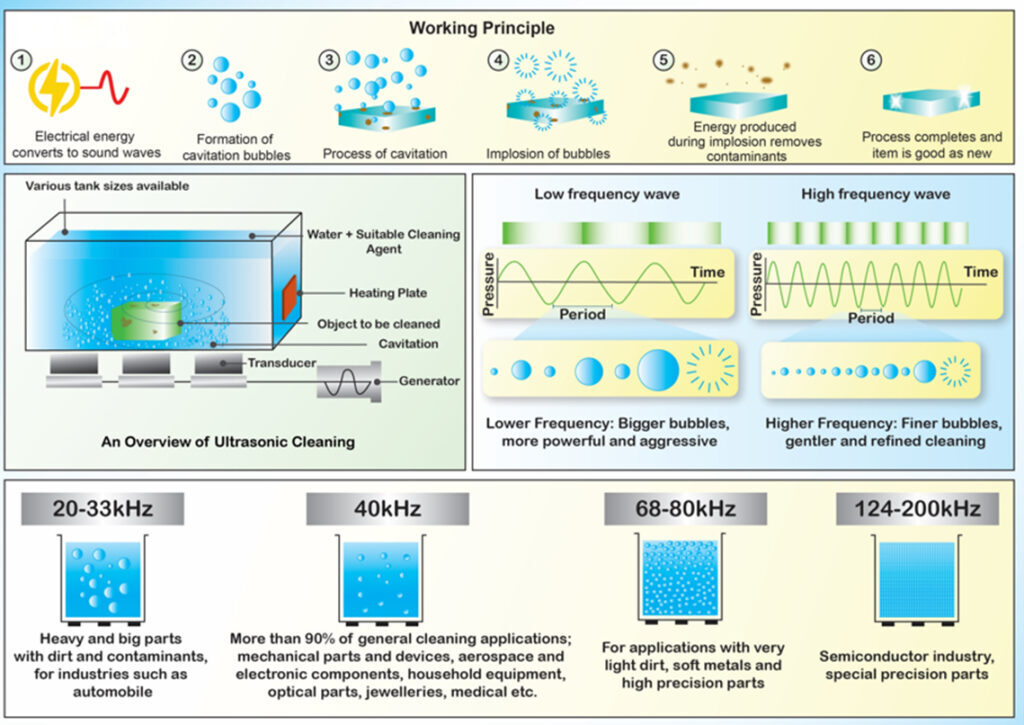
Ultrasonic Frequency Select Guide
The Science Behind Cavitation Bubbles
Cavitation represents the core mechanism that makes ultrasonic cleaning so effective. During low-pressure cycles, microscopic bubbles form in the liquid. These bubbles grow rapidly until the pressure wave reverses, causing them to collapse violently in a process called implosion. Each bubble implosion releases tremendous localized energy, creating micro-jets and shock waves that dislodge contaminants from surfaces.
The implosion temperature can reach approximately 5,000 degrees Celsius, though this occurs in such tiny spaces and brief moments that it poses no danger to the items being cleaned. This extreme energy concentration provides the scrubbing action needed to remove oils, greases, carbon deposits, oxides, and other stubborn residues. The process occurs billions of times throughout each cleaning cycle, ensuring thorough contamination removal from every accessible surface.
What makes cavitation particularly valuable is its ability to clean complex geometries. The bubbles form and collapse in blind holes, threads, cracks, and recesses where brushes cannot reach. This three-dimensional cleaning coverage eliminates the shadowing effects common in spray washing systems, where certain areas remain protected from direct fluid impact.
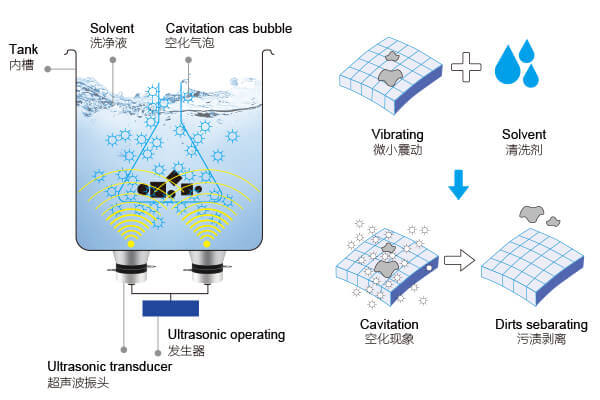
The Principle Behind Ultrasonic Cleaning
Superior Cleaning Performance That Outshines Traditional Methods
Comparing ultrasonic cleaning to manual scrubbing reveals dramatic performance differences. Traditional cleaning relies on physical contact between cleaning tools and contaminated surfaces. This approach proves inadequate for intricate parts and fails to address contaminants hidden in microscopic surface irregularities. Ultrasonic technology eliminates these limitations through its unique action mechanism.
Reaching Impossible Places With Sound Waves
Complex manufactured components often feature internal passages, intersecting holes, and intricate surface textures that trap contaminants. Consider a precision fuel injector with internal channels measuring just millimeters in diameter, or a dental handpiece with multiple interconnected air passages. Manual cleaning cannot access these areas effectively, yet proper function depends on complete contamination removal.
Ultrasonic cleaning solves this challenge because cavitation occurs wherever the liquid penetrates. The cleaning solution flows into every opening and cavity, carrying ultrasonic energy throughout the part’s internal structure. Bubble implosions scrub surfaces from all directions simultaneously, removing deposits that have accumulated in previously inaccessible locations. This capability proves especially valuable for parts with:
Threaded fasteners that accumulate dried thread-locking compounds and metal particles in their grooves. Ultrasonic cleaning restores thread integrity without damaging precision-cut surfaces.
Mesh screens and filters where particles lodge between wires or within porous materials. The cavitation action pulls contaminants out from the material matrix rather than pushing them deeper.
Engraved or textured surfaces where dirt collects in decorative patterns or functional surface treatments. The cleaning process reaches into every depression without wearing away the surrounding material.
Assembled components that cannot be disassembled for cleaning. Ultrasonic waves penetrate joints and interfaces, removing contaminants from mating surfaces without separation.
Removing Stubborn Contaminants Without Scrubbing
Certain types of contamination resist conventional cleaning methods. Baked-on carbon deposits, polymerized oils, mineral scale, and corrosion products often require aggressive scrubbing or harsh chemicals for removal. These approaches risk damaging the base material through abrasion or chemical attack. Ultrasonic cleaning provides an alternative that removes tough residues while preserving surface integrity.
The repeated micro-impacts from cavitation bubble collapse gradually break the bond between contaminants and substrates. This mechanical action works at a microscopic scale, effectively chiseling away deposits without creating the macro-level scratches associated with abrasive cleaning. The process proves particularly effective when combined with appropriate cleaning solutions that chemically soften or dissolve contaminants while ultrasonic action provides physical removal force.
Real-world testing demonstrates this effectiveness consistently. Automotive machine shops report complete carbon removal from piston ring grooves and valve stems in minutes, tasks that previously required hours of manual work with wire brushes and scrapers. Electronics manufacturers achieve solder flux removal from populated circuit boards without risking component damage from mechanical contact. These results highlight how ultrasonic cleaning delivers superior outcomes compared to traditional approaches.
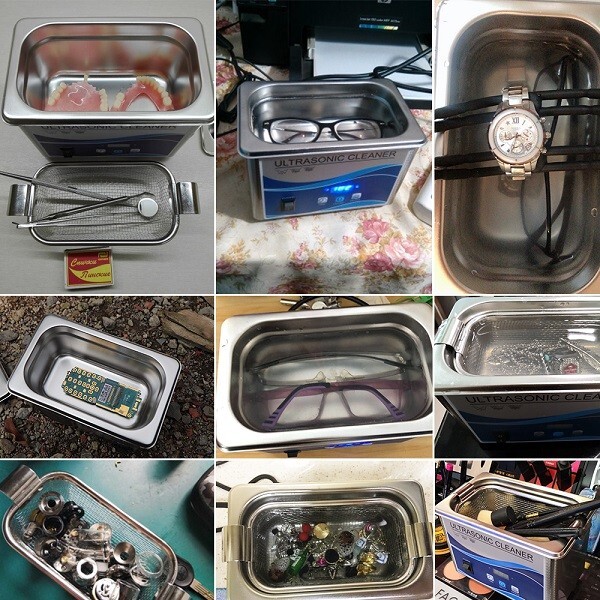
Ultrasound Cleaning Show
Time Efficiency and Labor Cost Reduction
Labor represents one of the largest expenses in most operations. Cleaning tasks, while necessary, consume worker time that could generate greater value elsewhere. Ultrasonic machines dramatically reduce the human effort required for thorough cleaning, delivering significant economic benefits alongside improved results.
Automated Cleaning Cycles Save Valuable Hours
Traditional cleaning demands constant operator attention. Workers must scrub each item individually, applying varying pressure and technique based on contamination severity and part geometry. This manual process proceeds slowly, especially for intricate components requiring careful attention to detail. Quality depends heavily on worker skill and diligence, creating inconsistency risks.
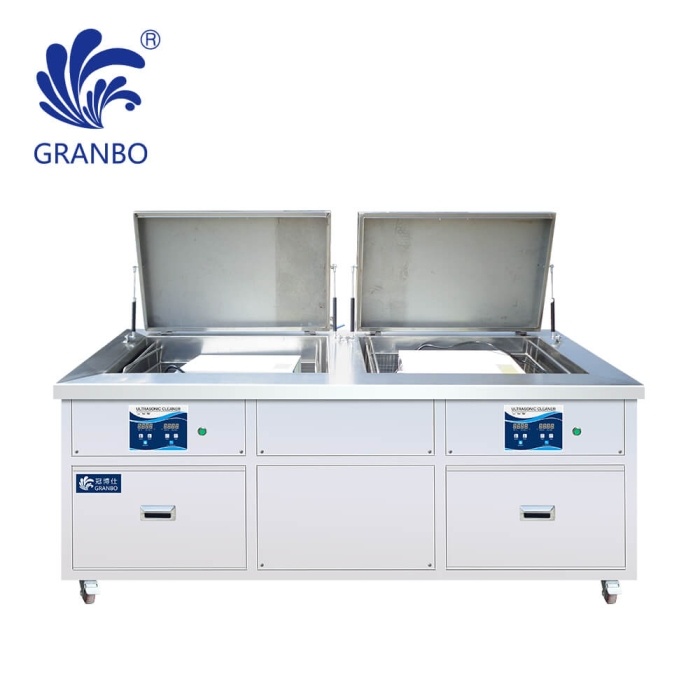
Ultrasonic cleaning transforms this labor-intensive process into a simple batch operation. Operators load dirty items into baskets, place the baskets in the cleaning tank, select appropriate parameters, and start the cycle. The machine handles everything automatically from that point forward. Modern units feature programmable controllers that manage cleaning time, temperature, and frequency without supervision. Some models include multiple tanks for washing, rinsing, and drying stages, creating fully automated cleaning sequences.
The time savings prove substantial. A jewelry store might clean dozens of rings, bracelets, and necklaces simultaneously in a ten-minute cycle, versus the hours required for individual hand polishing. Medical clinics process entire surgical instrument sets in twenty minutes rather than dedicating staff to hours of manual scrubbing. Manufacturing facilities clean hundreds of small parts in batch operations that run continuously throughout production shifts.
Minimizing Manual Labor Requirements
Beyond simple time savings, ultrasonic cleaning reduces the physical demands placed on workers. Manual cleaning often involves repetitive motions, awkward postures, and sustained grip force that contribute to fatigue and repetitive strain injuries. Workers spend extended periods bent over sinks, applying forceful scrubbing actions, and manipulating cleaning tools in tight spaces. These ergonomic stressors accumulate over time, potentially leading to chronic pain and workplace injuries.
Ultrasonic systems eliminate most physical strain from the cleaning process. Loading and unloading represents the primary physical task, typically involving simple basket handling rather than forceful scrubbing motions. Workers avoid exposure to harsh cleaning chemicals splashing during scrubbing, and they eliminate the hand fatigue associated with extended brush or tool use. This ergonomic improvement enhances workplace safety while allowing staff redeployment to more valuable activities.
The labor reduction also addresses staffing challenges many businesses face. Skilled workers are increasingly difficult to find and retain. Ultrasonic cleaning reduces dependency on specialized cleaning knowledge, as the machine provides consistent results regardless of operator experience. New employees quickly learn the straightforward loading and operation procedures, minimizing training time and improving operational flexibility.
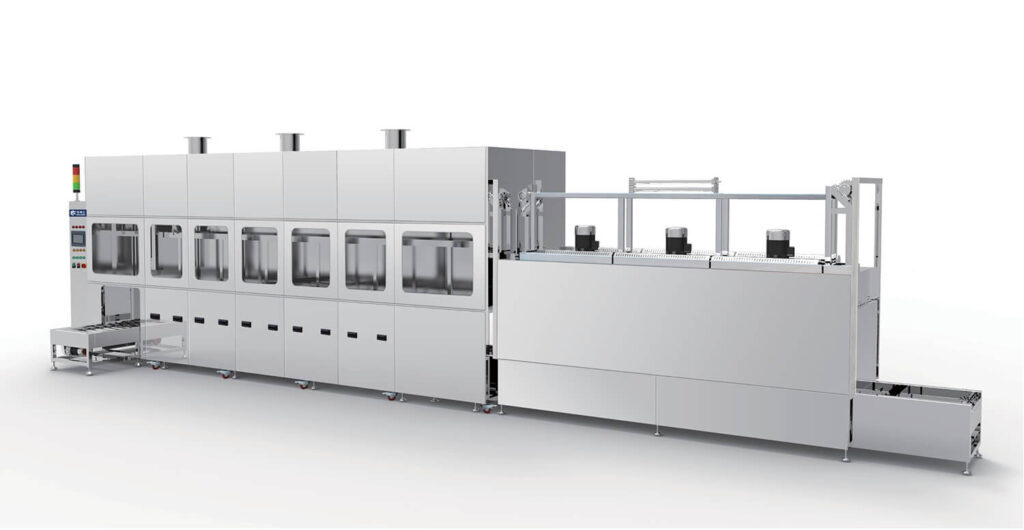
Fully automatic ultrasonic cleaning system
Gentle Yet Thorough Cleaning for Delicate Items
The aggressive nature of many cleaning methods creates risks for sensitive components. Brushing can scratch polished surfaces, pressure washing can damage fragile structures, and harsh chemicals can corrode reactive materials. These concerns often force compromises between cleanliness and preservation, accepting incomplete cleaning to avoid damage risks. Ultrasonic technology resolves this dilemma by delivering thorough cleaning through a surprisingly gentle mechanism.
Protecting Sensitive Components and Materials
Cavitation bubbles implode with tremendous localized force, yet their microscopic size means the actual impact energy remains minimal at the macro scale. This paradox allows ultrasonic cleaning to remove tough contaminants while preserving delicate substrates. The cleaning action distributes across millions of individual bubble collapses rather than concentrating in single high-force impacts, creating an effect similar to using extremely fine sandpaper versus coarse abrasives.
This gentle action proves essential for applications involving:
Optical components such as lenses, prisms, and mirrors that require pristine surfaces for proper light transmission. Ultrasonic cleaning removes fingerprints, dust, and residues without scratching precision-polished optical surfaces.
Electronic assemblies containing sensitive semiconductor devices, micro-electromechanical systems, and fragile wire bonds. The cleaning process removes manufacturing residues and contaminants without generating static discharge or mechanical stress that could damage components.
Historical artifacts and museum pieces where preservation takes priority over aggressive cleaning. Conservators use ultrasonic methods to safely remove accumulated grime from irreplaceable objects without risking structural damage.
Medical implants manufactured from biocompatible titanium or ceramic materials. These items must be absolutely clean before surgical placement, yet any surface damage could promote bacterial growth or compromise biocompatibility.
Preventing Damage From Abrasive Cleaning Methods
Traditional cleaning creates various damage mechanisms that ultrasonic technology avoids. Brushing and scrubbing generate directional scratches that accumulate with repeated cleaning cycles. These surface defects trap contaminants, making subsequent cleaning more difficult while degrading appearance and potentially affecting function. Pressure washing can erode soft materials, bend thin sections, or drive contaminants deeper into porous structures. Chemical cleaning may attack base materials along with contaminants, causing etching, discoloration, or corrosion.
Ultrasonic cleaning eliminates mechanical contact damage entirely. No brushes, pads, or abrasive particles touch the cleaned surfaces. The only contact comes from the cleaning solution itself, which can be formulated to remain chemically neutral toward the substrate while effectively addressing target contaminants. This non-contact approach proves particularly valuable for items requiring repeated cleaning throughout their service life, as each ultrasonic cycle adds no cumulative wear.
The temperature control available in modern ultrasonic systems provides additional protection for heat-sensitive materials. While elevated temperatures often enhance cleaning effectiveness, programmable temperature management ensures parts never exceed safe thermal limits. This capability allows effective cleaning of items containing rubber seals, plastic components, or composite materials that might degrade under excessive heat exposure.
Consistency and Reliability Across All Cleaning Tasks
Quality management systems demand reproducible processes that deliver predictable results. Manual cleaning introduces significant variability based on operator technique, effort level, and attention to detail. Two workers following identical procedures may produce noticeably different cleanliness levels. Even the same worker might deliver inconsistent results when fatigue, distraction, or time pressure affect performance. This variability creates quality control challenges and risks defects reaching customers.
Standardized Results Every Single Time
Ultrasonic cleaning machines operate according to fixed physical principles. Given identical input parameters, the cleaning performance remains constant across cycles, shifts, and facilities. The cavitation intensity depends on frequency, power, temperature, and cleaning solution properties, all of which can be precisely controlled and monitored. This deterministic behavior enables process validation and ensures every item receives equivalent treatment.
Manufacturing operations particularly value this consistency when cleaning must meet documented specifications. Aerospace components require verified cleaning processes before assembly into flight-critical systems. Medical device manufacturers must demonstrate repeatable cleaning effectiveness for regulatory compliance. Electronics fabricators need consistent surface preparation before coating or bonding operations. Ultrasonic systems satisfy these requirements through programmable, traceable cleaning cycles that produce objective, verifiable results.
The consistency extends beyond basic cleanliness to include gentleness and thoroughness. Every item experiences identical cavitation intensity throughout the cleaning cycle. Unlike manual methods where hard-to-reach areas might receive less attention, ultrasonic action reaches all surfaces equally. This uniform treatment ensures that quality does not vary between simple and complex parts, or between items cleaned early versus late in production runs.
Eliminating Human Error Variables
Manual processes remain vulnerable to mistakes and oversights. Workers might miss contaminated areas, apply insufficient cleaning time to stubborn deposits, or use incorrect cleaning solutions. Training and supervision reduce these errors but cannot eliminate them entirely. Human factors including fatigue, monotony, and distraction inevitably affect performance consistency over extended periods.
Automated ultrasonic cleaning removes most opportunities for human error. Once operators load items correctly into cleaning baskets, the machine handles everything according to programmed parameters. Cycle times run exactly as specified, temperature remains within set ranges, and cleaning action continues uniformly throughout the process. Modern machines include error detection systems that alert operators to issues like low solution levels, incorrect temperature, or electrical faults, preventing incomplete cleaning cycles.
This reliability proves especially valuable for high-volume operations where manual inspection of every cleaned item becomes impractical. Consistent cleaning performance allows statistical process control approaches where periodic sampling verifies ongoing capability rather than requiring 100% inspection. The reduced inspection burden lowers costs while maintaining quality assurance confidence.
Environmental and Safety Advantages
Growing environmental consciousness and workplace safety regulations make cleaning process sustainability increasingly important. Traditional approaches often rely heavily on harsh chemicals, generate significant waste streams, and create occupational health hazards. Ultrasonic technology offers substantial improvements across these concerns, supporting both environmental responsibility and worker wellbeing.
Reducing Chemical Consumption Dramatically
Mechanical cleaning action provided by cavitation significantly reduces dependency on aggressive chemical cleaners. Many applications achieve excellent results using mild detergent solutions or even plain water, whereas manual cleaning might require strong solvents, acids, or caustic cleaners for comparable results. This reduction in chemical intensity delivers multiple benefits.
Purchasing costs decrease when expensive specialty cleaners give way to simple aqueous solutions. A manufacturer might spend hundreds of dollars monthly on volatile organic compound solvents for manual parts cleaning, while ultrasonic operation uses inexpensive detergent concentrates costing a fraction of that amount. The savings compound over time as ultrasonic efficiency allows extended solution life before replacement becomes necessary.
Environmental impact drops correspondingly. Harsh chemicals require careful disposal according to hazardous waste regulations, generating costs and environmental burden. Mild ultrasonic cleaning solutions often qualify as non-hazardous, allowing simpler disposal through conventional wastewater systems after appropriate pH adjustment. Some operations implement solution recycling systems that filter and recondition cleaning fluid, further reducing chemical consumption and waste generation.
The reduced chemical exposure benefits surrounding ecosystems. Accidental spills pose less environmental risk when solutions contain mild detergents rather than toxic solvents. Air emissions decrease as volatile organic compounds give way to water-based cleaners. These improvements help businesses meet environmental commitments while potentially reducing regulatory compliance costs.
Creating Safer Workplaces for Employees
Worker exposure to cleaning chemicals represents a significant occupational health concern. Strong solvents can cause skin irritation, respiratory problems, and long-term health effects from chronic exposure. Acids and caustic cleaners pose chemical burn risks and require extensive personal protective equipment. Volatile solvents create fire and explosion hazards that demand special storage and handling procedures.
Ultrasonic cleaning with mild solutions dramatically improves workplace safety. Workers handle less hazardous chemicals in lower quantities. The enclosed nature of ultrasonic tanks reduces vapor exposure compared to open-tank manual washing or spray applications. Many systems include covers that contain fumes during operation, further protecting air quality in the workspace.
The reduced manual handling also prevents physical injuries. Workers avoid repetitive strain from sustained scrubbing motions and eliminate cuts or punctures from using sharp brushes or scrapers. Chemical splash risks decrease when automated cleaning replaces manual agitation of parts in solution. These safety improvements reduce workplace injury rates, lower workers’ compensation costs, and enhance employee satisfaction.
Some industries face specific regulatory pressures regarding chemical use. Medical facilities must minimize patient and staff exposure to cleaning agent residues. Food processing operations cannot use certain chemicals that might contaminate products. Electronics manufacturing seeks to eliminate ozone-depleting substances and reduce volatile organic compound emissions. Ultrasonic cleaning helps satisfy these requirements through gentler chemistry that maintains effectiveness while improving safety profiles.
Versatility Across Multiple Industries
The broad applicability of ultrasonic cleaning technology spans virtually every sector that requires precision cleaning. While specific applications vary, the underlying principles deliver value across diverse contexts. Understanding how different industries leverage ultrasonic advantages helps illustrate the technology’s flexibility and power.

Applications Of Ultrasonic Cleaning Machines
Medical and Dental Applications
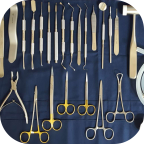
Healthcare facilities face perhaps the most demanding cleaning requirements of any industry. Surgical instruments must achieve absolute cleanliness before sterilization to ensure patient safety. Residual blood, tissue, and biofilm can harbor dangerous pathogens and compromise sterilization effectiveness. Manual cleaning cannot guarantee complete contamination removal from complex instrument geometries like laparoscopic tools, arthroscopic shavers, or microsurgical devices.
Ultrasonic cleaning provides the thoroughness healthcare applications demand. The cavitation action removes biological materials from joints, lumens, and textured surfaces that manual brushing cannot adequately address. Medical-grade ultrasonic systems often include specialized features like automated solution replenishment, documented cycle parameters for quality records, and validated cleaning protocols that satisfy regulatory requirements.
Dental practices benefit similarly from ultrasonic cleaning of hand instruments, burs, and handpiece components. The technology removes cement, composite materials, and biological debris while preserving sharp cutting edges and delicate surface treatments. Many dental ultrasonic units incorporate heaters and timers that optimize cleaning effectiveness while ensuring consistent results across all instruments.
The gentleness of ultrasonic cleaning proves crucial for expensive medical devices containing sensitive electronics or delicate mechanics. Rigid endoscopes, powered surgical instruments, and diagnostic equipment can be cleaned without damaging internal components or compromising calibration. This capability extends device service life while maintaining performance standards.
Jewelry and Watchmaking Sectors
Precious metals, gemstones, and intricate mechanical assemblies demand cleaning methods that restore brilliance without causing damage. Jewelry accumulates skin oils, cosmetics, and environmental contaminants that dull surfaces and lodge in settings. Traditional polishing can wear away metal over time, while harsh chemicals might damage certain gemstones or loosen adhesives in assembled pieces.
Ultrasonic cleaning has become standard practice in jewelry stores and repair shops because it safely restores items to like-new appearance. The cavitation action removes soil from underneath stone settings, inside ring shanks, and between chain links without the abrasion associated with polishing. Jewelers can clean multiple pieces simultaneously, improving productivity while delivering superior results.
Watchmakers rely on ultrasonic cleaning for component preparation during repairs and restoration. Watch movements contain hundreds of tiny parts with precisely machined surfaces that must be absolutely clean for proper function. Old lubricants, metal particles, and oxidation products must be removed before reassembly and relubrication. Ultrasonic cleaning achieves this thoroughly while avoiding damage to delicate hairsprings, jeweled bearings, and decorated components.
The technology also supports authentication and appraisal work. Proper examination of hallmarks, maker’s marks, and construction details requires removing surface contamination that might obscure important features. Ultrasonic cleaning reveals these details without altering the item’s condition or value.
Automotive and Manufacturing Uses
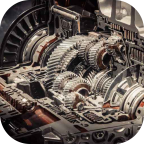
Modern vehicles contain thousands of precision-manufactured components that must be clean for proper assembly and function. Machine shops generate metal chips, cutting fluids, and grinding residues that must be removed before parts move to assembly operations. Engines require thorough cleaning during rebuilds to eliminate carbon deposits, sludge, and wear particles that could compromise performance.
Automotive repair shops use ultrasonic cleaners for components like fuel injectors, carburetors, and valve bodies where internal passages must flow freely. The technology removes varnish and carbon buildup that restricts fuel delivery or causes sticking. Shops report improved repair success rates because cleaning effectiveness ensures that malfunction causes are truly addressed rather than masked by incomplete cleaning.
Manufacturing facilities integrate ultrasonic cleaning into production lines for critical quality operations. Bearing races must be absolutely clean before assembly to prevent contamination-induced failures. Hydraulic components require particle-free surfaces to avoid valve sticking and seal damage. Aerospace fasteners need verified cleanliness before installation in flight-critical assemblies. Ultrasonic systems provide the thorough, documented cleaning these applications demand.
The automotive aftermarket embraces ultrasonic technology for reconditioning operations. Transmission shops clean valve bodies and solenoids to restore proper shift quality. Engine builders clean blocks, heads, and crankshafts to ensure oil passages flow correctly. These applications benefit from both cleaning effectiveness and the time savings ultrasonic processing delivers.
Electronics and Precision Engineering
Circuit board manufacturing involves multiple cleaning steps to remove flux residues, contamination, and processing chemicals. These residues can cause electrical leakage, corrosion, and assembly defects if not completely removed. Traditional cleaning methods struggle with densely populated boards where components shadow certain areas from spray or brush contact.
Ultrasonic cleaning reaches underneath low-clearance components and into narrow spaces between circuit traces. The process removes ionic and non-ionic contaminants that could compromise reliability without damaging delicate wire bonds, chip-on-board assemblies, or micro-electromechanical sensors. Electronics manufacturers validate ultrasonic processes to meet industry cleanliness standards like IPC specifications.
Precision engineering applications spanning optics, aerospace, and scientific instruments benefit from contaminant-free surfaces. Telescope mirror blanks require absolute cleanliness before coating application. Satellite components must be particle-free to prevent outgassing in vacuum conditions. Research equipment demands contamination control to avoid experimental interference. Ultrasonic cleaning provides the capability these demanding applications require.
The semiconductor industry uses specialized ultrasonic systems for wafer cleaning and component preparation. These applications often employ megasonic frequencies above 800 kHz that provide extremely gentle cleaning action suitable for nanoscale features. While beyond typical industrial ultrasonic machines, these specialized applications demonstrate the technology’s scalability across cleaning challenges.
Long-Term Cost Effectiveness
Initial investment in ultrasonic cleaning equipment might seem substantial compared to simple manual cleaning setups. However, comprehensive cost analysis reveals significant long-term savings that justify the capital expenditure. Multiple factors contribute to favorable economics over the equipment lifecycle.
Lower Operational Expenses Over Time
The reduced chemical consumption discussed earlier directly impacts operating costs. A facility spending thousands annually on specialized solvents and cleaning agents can reduce those expenses by fifty percent or more after implementing ultrasonic cleaning with milder solutions. The savings accumulate continuously throughout equipment life, often recovering the purchase price within months or a few years depending on usage intensity.
Labor cost reduction provides even more substantial savings. Consider a medical clinic employing a full-time technician for instrument cleaning at an annual cost of perhaps forty thousand dollars including wages and benefits. Ultrasonic automation might allow reassigning that person to more valuable clinical support roles or reducing staffing needs through attrition. Even partial labor savings of a few hours daily generate significant annual value.
Energy consumption remains modest because ultrasonic generators operate efficiently, and heating requirements typically stay below those needed for high-temperature spray washing systems. Modern machines include insulated tanks and efficient heaters that minimize power draw. Most operations find electricity costs negligible compared to the labor and chemical savings achieved.
Waste disposal costs decrease alongside chemical use reduction. Facilities generating hazardous waste face pickup fees, manifesting requirements, and potential liability concerns. Shifting to mild aqueous cleaning solutions can eliminate hazardous waste generation entirely, converting an ongoing expense into simple wastewater discharge. The administrative burden also decreases when hazardous materials tracking and reporting become unnecessary.
Extended Equipment Lifespan
Properly maintained ultrasonic cleaning machines deliver decades of reliable service. The technology involves few moving parts and operates under relatively benign conditions. Transducers, the core cleaning components, typically last many years before requiring replacement. Tanks constructed from stainless steel resist corrosion and maintain structural integrity indefinitely with reasonable care.
This longevity compares favorably to manual cleaning tools that wear out and require regular replacement. Brushes, scrapers, and abrasive pads constitute ongoing expenses that accumulate over time. Workers also wear out, experiencing fatigue and injury that affect both productivity and costs. Ultrasonic systems avoid these consumable expenses while delivering consistent performance throughout their service life.
The equipment’s durability also protects operational continuity. Manual cleaning can proceed even if tools break, but productivity suffers. Ultrasonic system failures halt cleaning operations entirely until repairs are completed. However, proper maintenance and modern machine reliability make breakdowns rare. Many businesses operate ultrasonic equipment continuously for years without significant downtime, providing dependable capacity when needed.
Return on investment calculations consistently favor ultrasonic cleaning for operations with regular, significant cleaning requirements. While occasional or minimal cleaning needs might not justify dedicated ultrasonic equipment, any business cleaning parts routinely finds the technology pays for itself through efficiency gains and quality improvements.
Quality Control and Inspection Benefits
Manufacturing and service operations increasingly emphasize quality management systems that verify processes and products meet specifications. Cleaning plays a supporting role in these quality frameworks, preparing items for accurate inspection and ensuring contamination does not mask defects or compromise subsequent operations. Ultrasonic cleaning enhances quality assurance capabilities in several important ways.
Preparing Items for Accurate Assessment
Surface contamination obscures visual inspection of parts for cracks, wear, and other defects. Manufacturing residues hide dimensional features that must be measured. Oils and particles interfere with non-destructive testing methods like magnetic particle inspection or dye penetrant examination. Thorough cleaning becomes prerequisite for reliable quality evaluation.
Ultrasonic cleaning removes interfering contaminants completely, revealing true part condition. Inspectors can confidently assess dimensions, surface finish, and defect presence knowing that any observed anomalies represent actual part characteristics rather than removable contamination. This clarity improves inspection reliability and reduces false rejections where good parts appear defective due to surface soil.
The consistency of ultrasonic cleaning also standardizes inspection conditions. When every part receives identical cleaning treatment, inspection results become comparable across items and production lots. This reproducibility supports statistical quality analysis and trending that identifies process variations before they cause significant problems.
Meeting Strict Industry Standards
Many industries impose specific cleanliness requirements on manufactured components. Aerospace standards like SAE AS5131 define maximum allowable contamination levels for fluid power components. Medical device standards require validation of cleaning processes used before sterilization. Automotive specifications mandate particle cleanliness for hydraulic and fuel system components. Electronic assembly standards address acceptable residue levels for soldered connections.
Ultrasonic cleaning helps satisfy these demanding requirements through documented, repeatable performance. Manufacturers can validate cleaning processes by demonstrating that ultrasonic cycles consistently achieve target cleanliness levels. This validation supports quality certifications and customer approvals necessary for doing business in regulated industries.
The documentation capabilities of modern ultrasonic systems further support compliance efforts. Programmable machines record cycle parameters including time, temperature, and frequency for each cleaning batch. This traceability creates quality records demonstrating that proper cleaning procedures were followed, supporting product acceptance and liability protection if questions arise later.
Testing laboratories use ultrasonic cleaning to prepare samples for contamination analysis. Environmental testing of water, soil, or air samples requires clean sample containers to avoid false results from container contamination. Materials analysis demands clean surfaces for accurate composition measurement. Ultrasonic cleaning provides the blank slate these analytical methods require for meaningful results.
The technology also supports reverse engineering and failure analysis work. Examining failed components requires removing service contamination to reveal actual failure mechanisms. Cleaning must be thorough enough to expose all relevant details yet gentle enough to preserve failure evidence. Ultrasonic processing achieves this balance, helping investigators understand what went wrong and how to prevent recurrence.
Cleanliness verification itself often employs ultrasonic extraction methods. Testing protocols rinse cleaned parts with solvent while applying ultrasonic energy to dislodge any remaining contamination. The rinse solution is then analyzed to quantify residual contamination levels. These extraction tests demonstrate cleaning effectiveness and ensure parts meet cleanliness specifications before release.
Modern businesses operate in competitive environments where efficiency, quality, and sustainability determine success. Cleaning operations, while seemingly mundane, significantly impact all three factors. Ultrasonic technology transforms cleaning from a tedious necessity into a strategic capability that delivers measurable advantages. The microscopic violence of cavitation bubbles combines with the gentleness of liquid immersion to achieve results traditional methods cannot match.
Organizations adopting ultrasonic cleaning report benefits extending beyond simple cleanliness improvements. Labor redeployment to higher-value activities improves productivity. Reduced chemical use lowers costs and environmental impact. Consistent cleaning quality supports tight process control and customer satisfaction. These advantages accumulate over time, strengthening competitive position while supporting operational excellence initiatives.
The versatility of ultrasonic cleaning means nearly every industry finds relevant applications. From healthcare to manufacturing, from jewelry stores to research laboratories, the fundamental principles deliver value across diverse contexts. As machines become more sophisticated with improved controls, multiple frequencies, and automation capabilities, application possibilities continue expanding. Businesses evaluating cleaning process improvements should seriously consider how ultrasonic technology might transform their operations and deliver lasting benefits that justify the investment many times over.