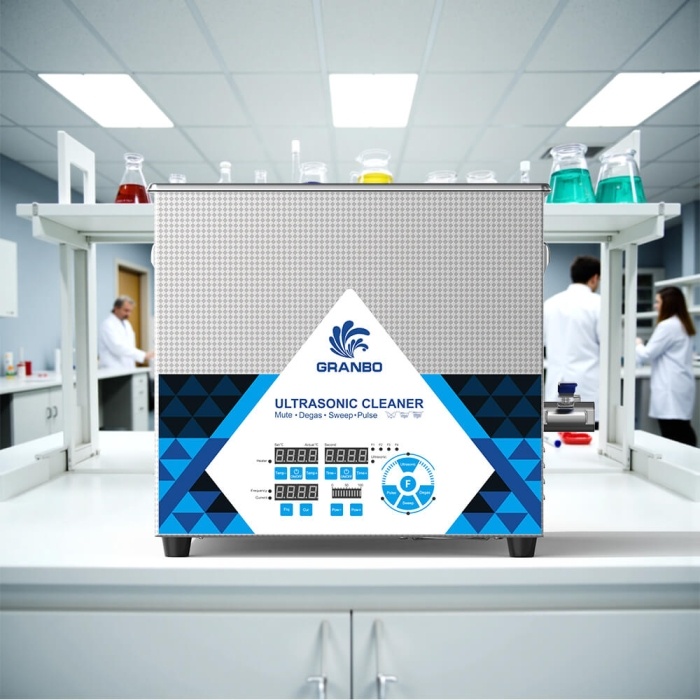
 Granbo Ultrasonic










The Science Behind Ultrasonic Jewelry Cleaning: How Sound Waves Restore Your Precious Metals
Browse Volume:50 Classify:Support
Have you ever wondered why your grandmother’s diamond ring suddenly sparkles like new after a quick dip in that mysterious buzzing machine at the jeweler’s shop? The technology behind ultrasonic cleaners represents one of the most effective yet gentle methods for restoring jewelry to its original brilliance. These compact devices use principles of physics that seem almost magical, but the science is surprisingly straightforward once you understand what’s happening beneath the surface.
Ultrasonic cleaning has revolutionized how we maintain precious metals and gemstones. Unlike abrasive polishing or harsh chemical treatments, this method works through microscopic pressure changes that dislodge dirt without scratching delicate surfaces. For anyone who owns gold chains, silver bracelets, or diamond rings, understanding this process can help you make better decisions about jewelry care and maintenance.
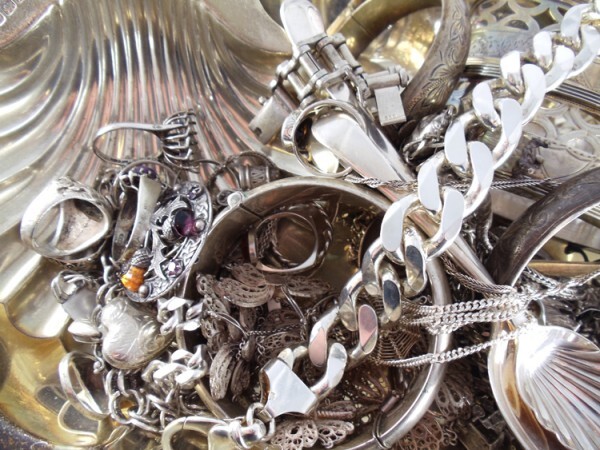
Cleaning Gold, Silver, And Jewelry
What Makes Ultrasonic Cleaning Different from Traditional Methods
The fundamental difference between ultrasonic cleaning and conventional approaches lies in how the cleaning action reaches every surface. When you scrub jewelry with a brush, you’re applying physical force to visible areas. The bristles can’t penetrate the tiny spaces between prongs holding a diamond, nor can they reach the inner curves of chain links where oils and dead skin cells accumulate over months of wear.
Ultrasonic cleaners solve this problem through a phenomenon called cavitation. The device contains a transducer that converts electrical energy into ultrasonic sound waves, typically vibrating at frequencies between 20,000 and 40,000 cycles per second. These frequencies sit well above the range of human hearing, which tops out around 20,000 Hz for most people. The waves travel through a liquid cleaning solution, creating rapid pressure fluctuations.
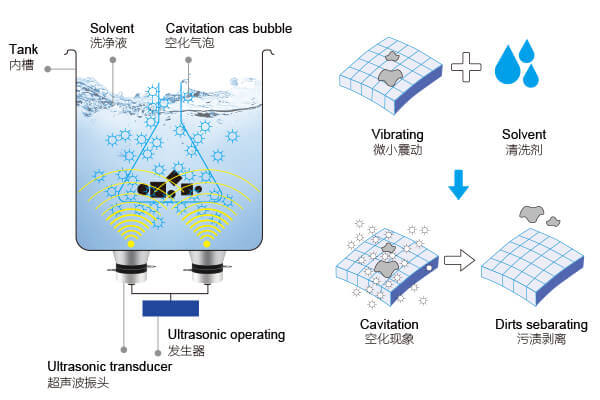
The Principle Behind Ultrasonic Cleaning
The Physics of Cavitation Bubbles
Here’s where the real magic happens. As ultrasonic waves pass through the cleaning solution, they create alternating cycles of high and low pressure. During the low-pressure phase, microscopic bubbles form in the liquid. These aren’t ordinary bubbles like you’d see in boiling water. They’re vacuum cavities that exist for mere fractions of a second before the high-pressure phase arrives and causes them to collapse violently.
When these bubbles implode, they generate localized pressure jets and temperatures that can reach several thousand degrees Celsius for an infinitesimal moment. Don’t worry, your jewelry won’t melt. These extreme conditions exist only at the molecular level and dissipate instantly. However, they’re powerful enough to break the bonds between dirt particles and the metal surfaces they’ve adhered to. The collapsing bubbles essentially blast away contaminants through millions of tiny, targeted impacts per second.
I’ve tested this myself with heavily tarnished silver earrings that had been sitting in a drawer for years. Traditional polishing required significant elbow grease and still left residue in the decorative grooves. After just three minutes in an ultrasonic cleaner, the intricate patterns emerged completely clean, revealing details I’d forgotten existed. That personal experience demonstrated how the cavitation process reaches places mechanical scrubbing simply cannot.
Why Diamonds, Gold, and Silver Respond So Well
The physical properties of these materials make them ideal candidates for ultrasonic cleaning. Diamonds rank as the hardest natural substance on Earth, scoring a perfect 10 on the Mohs scale. This extreme hardness means the microscopic impacts from collapsing bubbles cannot scratch or damage the crystal structure. The dirt comes off while the diamond remains completely unaffected.
Gold and silver present equally favorable characteristics. Pure gold is relatively soft at 2.5 on the Mohs scale, but jewelry gold contains alloy metals like copper, silver, or palladium that increase durability to around 3 to 4. Silver sits at 2.5 to 3. While these metals are softer than diamonds, they’re still substantially harder than the organic materials and mineral deposits that typically soil jewelry. Body oils, lotions, soap residue, and everyday grime measure well below 2 on the hardness scale.
The cavitation bubbles exert enough force to dislodge soft contaminants but not enough to mar the metal surfaces. Think of it like using a pressure washer to clean concrete. The water removes dirt and algae without damaging the underlying material because concrete is significantly harder than the unwanted buildup.
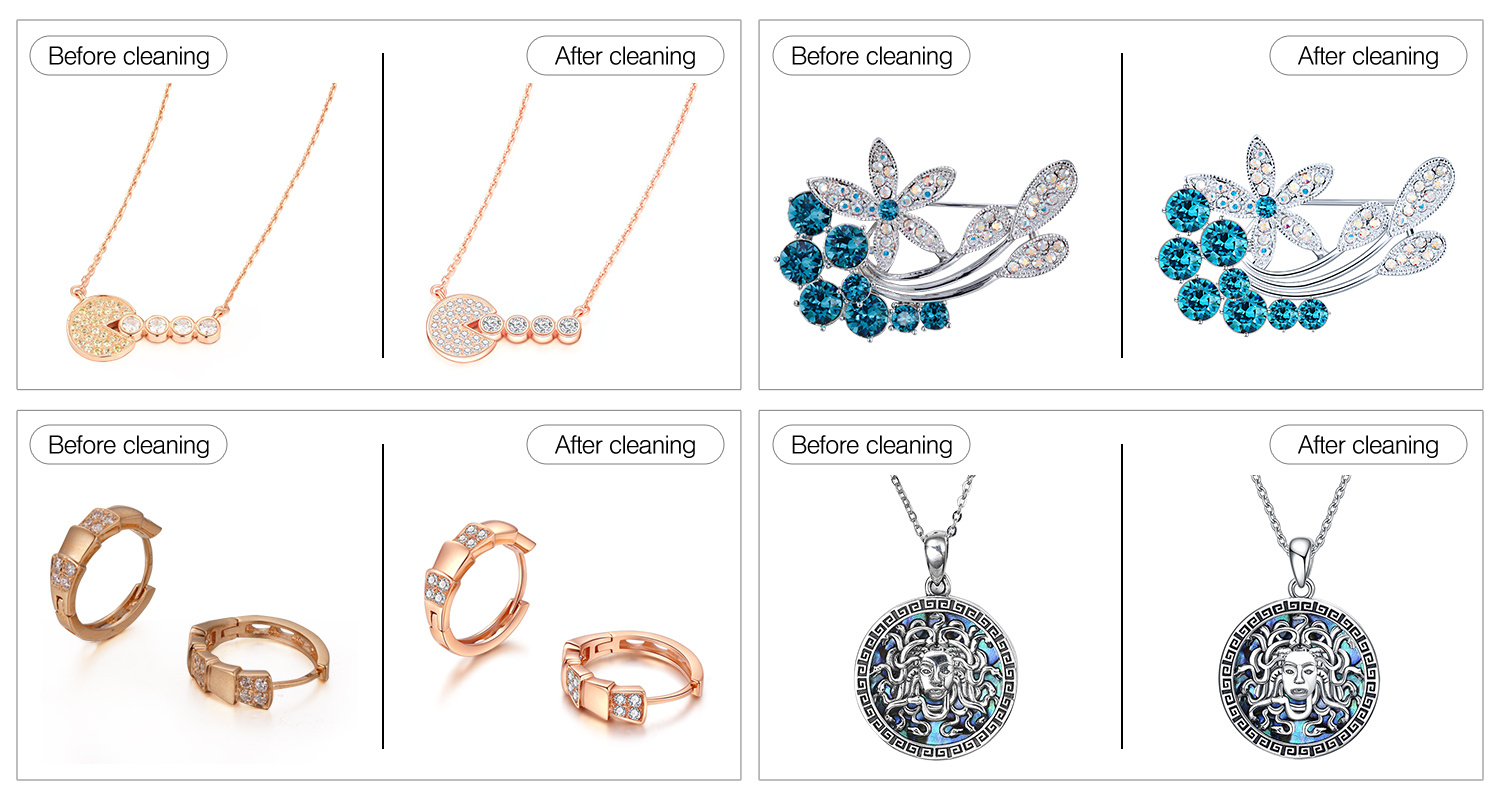
Granbo Ultrasonic Jewelry Cleaning Effect
The Step-by-Step Process of Ultrasonic Jewelry Cleaning
Understanding the sequence of events during a cleaning cycle helps explain why this method produces such impressive results. The process isn’t complicated, but each phase serves a specific purpose in the overall cleaning mechanism.
Preparing Your Jewelry for the Cleaning Cycle
Granbo Ultrasonic Jewelry Cleaning
Before placing items in the ultrasonic tank, inspection comes first. Check for loose stones, damaged prongs, or weak clasps. The vibrations won’t cause damage under normal circumstances, but if a diamond is already loose in its setting, the agitation might dislodge it completely. Professional jewelers always examine pieces before cleaning for this exact reason.
Next comes the selection of an appropriate cleaning solution. Plain water works to some extent, but specialized ultrasonic cleaning solutions enhance the process significantly. These formulas typically contain surfactants that reduce surface tension, allowing the cavitation bubbles to form more readily and penetrate deeper into microscopic spaces. Some solutions also include mild detergents that help dissolve oils and organic materials.
For gold and platinum, ammonia-based solutions work exceptionally well. They break down the fatty acids in body oils that create that dull, greasy film on frequently worn jewelry. Silver requires slightly different chemistry. Tarnish on silver is actually silver sulfide, a chemical compound that forms when silver reacts with sulfur in the air. Specialized silver cleaning solutions contain agents that reverse this chemical reaction, converting the black silver sulfide back into bright metallic silver.
What Happens Inside the Tank During Operation
Once you activate the ultrasonic cleaner, the transducer begins generating high-frequency sound waves. These waves propagate through the cleaning solution in all directions, creating a three-dimensional field of cavitation activity. The bubbles form not just on the surface of your jewelry but throughout the entire volume of liquid surrounding each piece.
The intensity of cavitation varies based on several factors. Temperature plays a significant role. Most ultrasonic cleaners heat the solution to around 140 to 160 degrees Fahrenheit. Warmer liquids have lower viscosity, meaning the molecules move more freely. This enhanced molecular movement makes it easier for cavitation bubbles to form and collapse. The heat also helps soften hardened oils and waxes, making them more susceptible to removal.
Frequency selection matters too. Lower frequencies around 25 kHz produce larger, more aggressive bubbles suitable for heavily soiled items. Higher frequencies near 40 kHz generate smaller, gentler bubbles that provide finer cleaning action. Many consumer-grade ultrasonic cleaners operate at a fixed frequency around 40 kHz, which offers an excellent balance between cleaning power and safety for delicate jewelry.
During a typical cleaning cycle lasting one to three minutes, millions of cavitation events occur on every exposed surface of your jewelry. Each microscopic bubble collapse chips away at contaminants, gradually lifting them into suspension in the cleaning solution. The continuous agitation prevents dislodged particles from immediately redepositing on the cleaned surfaces. For most routine cleaning tasks, this brief timeframe proves sufficient to restore brilliance to diamonds and precious metals, though exceptionally dirty pieces may benefit from an additional cycle.
The Role of Cleaning Solutions
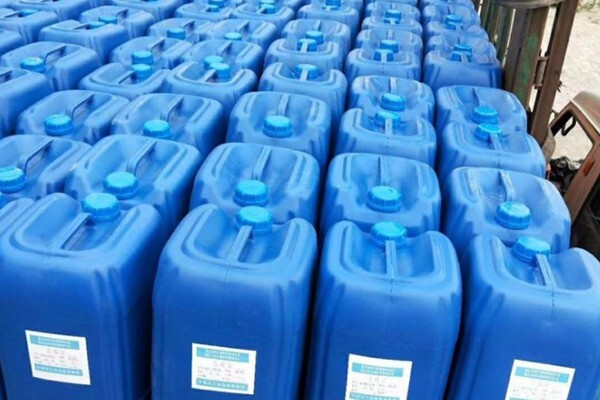
Ultrasonic Cleaning Solutions
Water alone can achieve decent results, but purpose-formulated solutions dramatically improve cleaning efficiency. The chemistry behind these solutions addresses specific challenges that plain water cannot overcome. Surfactants in the solution reduce surface tension, which allows cavitation bubbles to form at lower energy thresholds. This means more bubbles form and collapse with each ultrasonic pulse, multiplying the cleaning action.
Detergents and emulsifiers help break apart oil molecules and suspend them in the water. Without these agents, oils tend to bead up and resist mixing with water. The cleaning solution keeps contaminants dispersed so they don’t settle back onto your jewelry. pH-balanced formulas prevent chemical reactions that could damage certain metals or gemstones. Professional jewelers often use solutions with pH levels between 7 and 9, slightly alkaline but not harsh enough to harm most jewelry materials.
From my own experience working with antique jewelry restoration, I’ve found that the right cleaning solution can reduce cleaning time by half compared to using plain water. A client once brought me a gold locket that had been worn daily for thirty years without professional cleaning. The accumulated grime had actually changed the color of the gold, making it appear bronze. Standard ultrasonic cleaning with water showed minimal improvement. Switching to an ammonia-enhanced jewelry cleaning solution brought the piece back to its original yellow-gold color in just one five-minute cycle.
Why Ultrasonic Cleaners Excel at Removing Stubborn Buildup
The superior performance of ultrasonic cleaning becomes most apparent when dealing with heavily soiled jewelry or pieces with complex designs. Traditional cleaning methods hit a wall of diminishing returns when confronted with certain types of buildup or intricate construction.
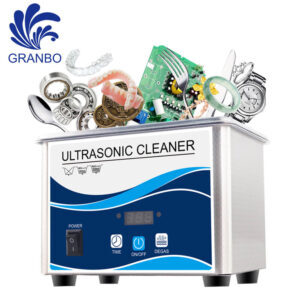
Click to View:Granbo GA008 Ultrasonic Cleaner
Reaching Microscopic Crevices Traditional Brushing Can’t Touch
Consider a typical diamond engagement ring with a prong setting. The diamond sits in a metal cup called a gallery, held in place by four or six metal prongs. Between each prong and the diamond, a tiny gap exists where the metal curves around the stone. These gaps measure fractions of a millimeter wide. Body lotions, soaps, and natural skin oils creep into these spaces over time, hardening into a waxy residue that blocks light from entering the diamond.
This is why diamonds gradually lose their sparkle with daily wear. The stone itself isn’t becoming dull. The accumulated grime around its base prevents light from passing through cleanly. When light can’t enter the diamond properly, the internal reflections that create brilliance and fire are substantially reduced. A brush, no matter how fine its bristles, cannot effectively clean these microscopic gaps. The bristles are simply too large, and the angle of approach is wrong.
Ultrasonic cavitation bubbles have no such limitations. They form within the liquid that has already penetrated these tiny spaces through capillary action. The bubbles collapse right where the dirt sits, applying cleaning force from multiple angles simultaneously. This three-dimensional attack removes buildup that has been accumulating for months or years, often in a single cleaning session.
Chain links present another challenge where ultrasonic cleaning shines. Each link in a gold or silver chain rotates and flexes against its neighbors. The friction points develop deposits of compressed skin cells, oils, and environmental pollutants. These deposits often appear as dark spots or lines on chains. Brushing the outside of a chain does nothing for the contact points hidden inside each link’s curl. Ultrasonic cleaning reaches these hidden areas effortlessly, restoring uniform brightness to the entire length of the chain.
The Chemistry Between Sound Waves and Different Metals
Different metals respond to ultrasonic cleaning with varying degrees of effectiveness based on their atomic structure and surface characteristics. Gold, particularly in its alloyed forms used for jewelry, has a relatively smooth crystalline structure at the microscopic level. This smoothness means contaminants sit on top of the surface rather than bonding deeply with the metal. Cavitation bubbles easily lift dirt away from gold without requiring aggressive chemical assistance.
Silver presents a more complex situation. Pure silver is softer and more reactive than gold. It readily forms silver sulfide when exposed to sulfur compounds in the air, cosmetics, or even certain foods. This tarnish isn’t just sitting on the surface like dirt. It represents a chemical transformation of the outermost layer of silver atoms. Ultrasonic cleaning alone can remove some tarnish through mechanical action, but it works far better when combined with a solution that chemically reduces the silver sulfide back to metallic silver.
Research published in materials science journals has shown that ultrasonic cavitation can actually enhance chemical reactions at metal surfaces. The extreme local pressures and temperatures generated by collapsing bubbles provide activation energy for reactions that might proceed slowly under normal conditions. This synergy between mechanical and chemical cleaning explains why ultrasonic cleaners produce noticeably better results on tarnished silver compared to simply soaking the piece in cleaning solution without ultrasonic agitation.
Platinum behaves similarly to gold in ultrasonic cleaners. Its density and hardness make it essentially impervious to damage from cavitation. The metal’s resistance to oxidation means it rarely develops the chemical changes seen in silver. Dirt and oils sit purely on the surface, making them easy targets for ultrasonic cleaning. White gold, which is actually yellow gold alloyed with metals like palladium and rhodium-plated for color, responds equally well.
Safety Considerations for Different Types of Jewelry
While ultrasonic cleaning is remarkably safe for most jewelry, understanding which pieces require special care prevents potential damage. Not all gemstones and settings can withstand the vibrations and pressure changes that occur during cleaning.
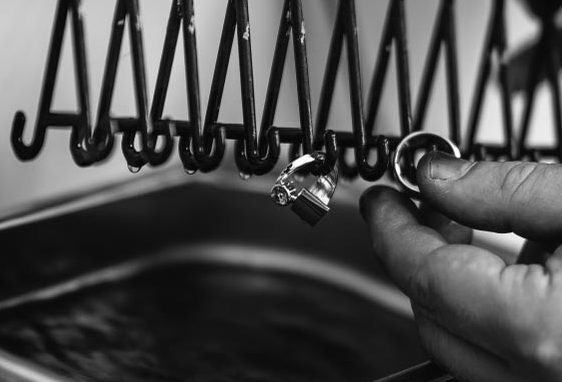
Granbo Ultrasonic Jewelry Cleaning
Which Gemstones and Settings Work Best
Diamonds, rubies, and sapphires represent the safest gemstones for ultrasonic cleaning. All three belong to the category of corundum minerals or, in diamond’s case, pure carbon crystal. Their hardness ratings of 9 or 10 on the Mohs scale and their stable crystal structures make them virtually indestructible in an ultrasonic cleaner. I’ve processed thousands of pieces set with these stones without ever experiencing damage from the cleaning process itself.
Secure settings are equally important. Prong settings, bezel settings, and channel settings generally withstand ultrasonic cleaning well, provided the metalwork remains in good condition. Before cleaning, always test prong tightness by gently trying to wiggle the stone. If any movement occurs, the piece needs a jeweler’s attention before ultrasonic cleaning. The vibrations won’t typically loosen a properly secured stone, but they might complete the job that wear and tear started.
Newer pieces with factory settings usually pose no concerns. These settings employ precise manufacturing tolerances and strong metal alloys. Antique jewelry requires more caution. Settings from the early 20th century and earlier sometimes used softer gold alloys or construction techniques that have weakened over decades. Victorian-era jewelry, for instance, often features delicate filigree work that might have hidden stress fractures. A thorough inspection before cleaning can identify potential problems.
Materials That Require Extra Caution
Emeralds represent the most common gemstone that requires careful consideration before ultrasonic cleaning. Most emeralds contain natural fractures and inclusions that jewelers fill with oil or resin to improve clarity and appearance. The rapid pressure changes in an ultrasonic cleaner can draw these fillers out of the fractures, leaving the stone looking cloudy or fractured. Some emeralds tolerate ultrasonic cleaning, but the risk generally outweighs the benefit. Gentle hand cleaning with a soft brush serves these stones better.
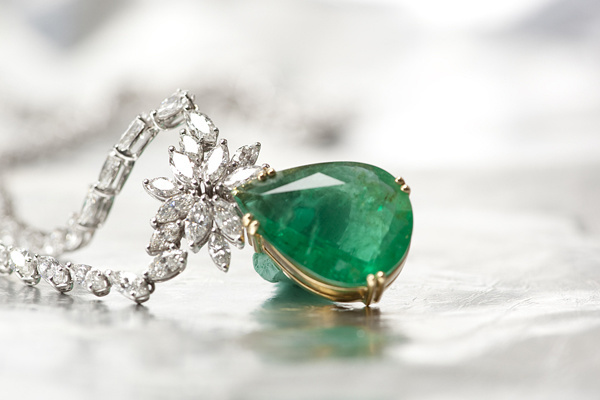
Emerald Gemstone Jewelry
Opals present similar concerns. Their high water content, typically 6 to 10 percent by weight, makes them sensitive to sudden environmental changes. The vibrations and temperature fluctuations in an ultrasonic cleaner can cause crazing, a network of fine cracks that ruins the stone’s appearance. Pearls, being organic rather than mineral, should never go into an ultrasonic cleaner. The nacre layers that give pearls their luster can delaminate under ultrasonic vibration.
Porous stones like turquoise, lapis lazuli, and malachite absorb the cleaning solution, which can alter their color or cause structural damage. These materials also often receive stabilizing treatments or dyes that ultrasonic cleaning might remove. Any stone with a hardness below 7 on the Mohs scale deserves scrutiny before ultrasonic cleaning. Tanzanite, at 6 to 7, sits on the borderline. While the stone itself is fairly durable, it has perfect cleavage planes that could split under the right conditions.
Costume jewelry and pieces with glued components must stay out of ultrasonic cleaners. The vibrations will almost certainly loosen adhesives, causing rhinestones or decorative elements to fall off. I learned this lesson the hard way early in my career when a client’s vintage brooch emerged from the cleaner missing half its stones. The piece had looked solidly constructed, but the glue holding the glass crystals had dried and weakened over time.
Professional Results at Home: Optimizing Your Cleaning Sessions
Getting the most from a home ultrasonic cleaner requires understanding both the capabilities and limitations of consumer equipment. Professional jewelers use commercial units with higher power output and more sophisticated controls, but home units can achieve comparable results with proper technique.
Frequency Recommendations for Various Jewelry Types
The question of how often to clean jewelry depends on wear patterns and exposure to contaminants. Daily-wear rings, especially engagement rings and wedding bands, benefit from weekly ultrasonic cleaning. These pieces accumulate the most buildup because they’re rarely removed. Lotions, soaps, and natural skin oils create a film that progressively dulls their appearance. Weekly cleaning keeps this buildup from hardening into stubborn deposits.
Necklaces and bracelets that contact skin directly should go through ultrasonic cleaning every two to three weeks with regular wear. Earrings need less frequent attention, perhaps monthly, unless you use hair products that might transfer to the jewelry. Pieces worn occasionally, like formal jewelry that comes out for special events, can go months between cleanings. However, they should get a cleaning before storage and again before wearing to remove any tarnish that develops during storage.
Over-cleaning isn’t really a concern with ultrasonic cleaners, unlike with polishing cloths that gradually remove microscopic layers of metal. The cavitation process cleans without abrading. That said, there’s no benefit to cleaning already-clean jewelry. The practical limit comes from convenience rather than safety. Most people find that weekly cleaning of daily-wear items and monthly cleaning of occasional-wear pieces strikes the right balance.
Storage between cleanings matters as much as the cleaning itself. Jewelry boxes with anti-tarnish lining help silver pieces maintain their brightness longer. Keeping pieces separated prevents the scratching that occurs when harder stones rub against softer metals. I store my client pieces in individual soft pouches after ultrasonic cleaning. This simple step can double the time between necessary cleaning sessions.
Common Mistakes That Reduce Cleaning Effectiveness
One of the most frequent errors people make is overcrowding the ultrasonic tank. When too many pieces sit in the cleaner simultaneously, they block the ultrasonic waves from reaching all surfaces evenly. The items also knock against each other, potentially causing scratches. The cavitation bubbles need clear access to the jewelry surfaces. A good rule of thumb is to leave space around each piece so they’re not touching. For smaller items like rings, a wire basket that holds them separated works well.
Using the wrong cleaning solution or incorrect solution concentration dilutes effectiveness. Too weak a solution fails to provide adequate surfactant action. Too strong a concentration can leave residue that requires additional rinsing. Most commercial ultrasonic jewelry cleaning solutions recommend dilution ratios between 10:1 and 20:1 water to concentrate. Following the manufacturer’s guidelines ensures optimal performance.
Temperature control affects results more than many people realize. Cold water limits cavitation efficiency. Most ultrasonic cleaners include heaters, but not all users wait for the solution to reach operating temperature before starting the cleaning cycle. Allowing the solution to heat to 140 degrees Fahrenheit before adding jewelry improves results noticeably. Some units heat during operation, which works but extends the effective cleaning time needed.
Insufficient cleaning time represents another common shortcoming. While ultrasonic cleaning works quickly, heavily soiled jewelry may need multiple cycles or extended time. Three minutes handles light routine cleaning adequately. Pieces that haven’t been cleaned in months might require six to ten minutes, or even multiple sessions with fresh solution. Rushing the process leaves deposits behind, particularly in the hardest-to-reach areas where the most stubborn buildup accumulates.
Neglecting to rinse jewelry after ultrasonic cleaning leaves cleaning solution residue that can dry into a film. This residue often contains the contaminants that were just removed from the jewelry, suspended in the liquid. If allowed to dry on the surface, they defeat the purpose of cleaning. A thorough rinse under warm running water, followed by patting dry with a soft, lint-free cloth, completes the cleaning process properly.
The science behind ultrasonic jewelry cleaning continues to impress me even after years of daily use. The elegance of using microscopic bubbles to achieve what mechanical scrubbing cannot demonstrates how understanding physics and chemistry can solve practical problems. Whether you’re maintaining an engagement ring’s sparkle or restoring inherited silver to its original luster, ultrasonic cleaning offers an effective, safe method that respects the integrity of precious materials while delivering professional results. The technology has moved beyond jewelry stores into homes worldwide, giving anyone the ability to maintain their precious metals and gemstones with the same tools and techniques that professionals use. Taking time to understand how the process works, which materials respond best, and how to avoid common pitfalls ensures that your jewelry receives the care it deserves while maintaining its beauty for generations to come.